Introduction
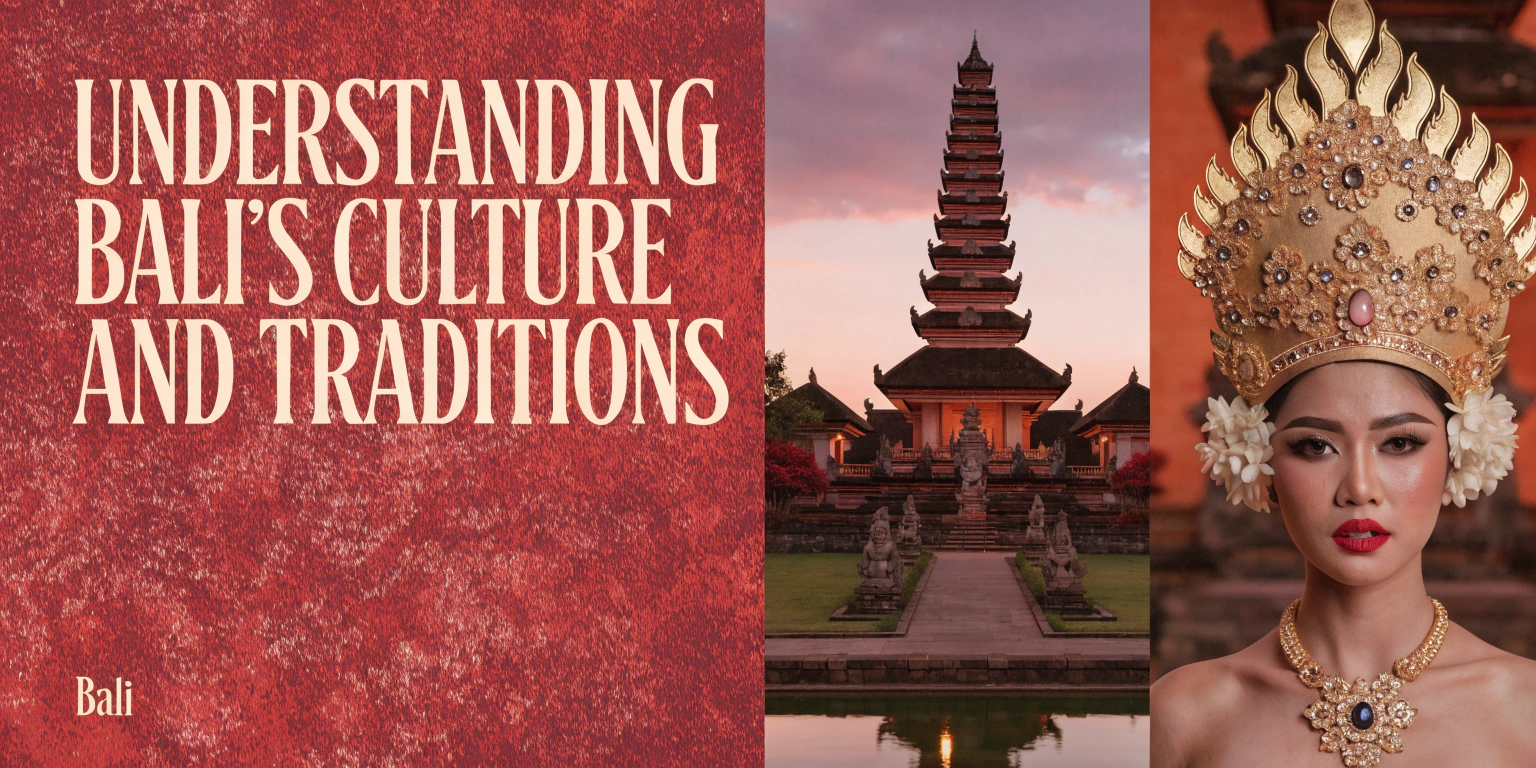
Bali is more than just a paradise for beach lovers and adventure seekers. The island’s rich cultural heritage, rooted in Hinduism, artistic expression, and traditional practices, is an integral part of what makes Bali so unique. Bali’s cultural identity is deeply intertwined with its religious practices, rituals, and art forms, which have been passed down through generations. Whether you’re visiting the island for relaxation or exploration, understanding Bali’s culture and traditions will enrich your experience. Let’s take a deep dive into the essence of Bali’s culture and how it shapes everyday life on the island.
Bali’s Religious Practices and Spirituality
1. Hinduism in Bali – The Island’s Core Religion
https://youtu.be/GXS4fSn1-B8?si=tQxrSR5UcplOUtQX
Unlike the majority of Indonesia, where Islam is the dominant religion, Bali is predominantly Hindu, with Balinese Hinduism playing a central role in daily life. The island’s spiritual beliefs are reflected in everything from the temples and rituals to the sacred offerings placed in public spaces. Bali’s Hinduism is a mix of traditional Indian Hinduism and local Balinese beliefs.
Key Elements of Balinese Hinduism:
Temples: Bali has over 20,000 temples, with each village typically having its own temple for local worship. The Mother Temple of Besakih is the largest and holiest of all.
Rituals and Offerings: Daily offerings called canang sari are placed at temples, homes, and public places as a gesture of respect to the gods and spirits.
Sacred Sites: Mount Agung is considered the spiritual center of Bali, with many sacred rituals held on its slopes.
2. Temples and Sacred Sites – The Heart of Bali’s Spiritual Life
Bali’s temples are not just places of worship but are also central to its social and cultural life. Each temple is dedicated to a specific deity, and offerings are made daily to maintain harmony with the gods. The Pura system, meaning “temple” in Balinese, is a traditional form of worship unique to Bali.
Notable Temples in Bali:
Pura Besakih: Known as the Mother Temple, this is Bali’s largest and most important temple complex.
Pura Tanah Lot: A sea temple perched on a rock formation, one of Bali’s most famous landmarks.
Pura Ulun Danu Beratan: Located on Lake Beratan in the mountains, this temple is dedicated to the water goddess Dewi Danu.
Traditional Arts and Crafts: Bali’s Creative Heritage
1. Balinese Dance and Music – A Unique Cultural Expression
Balinese dance and music are integral parts of the island’s culture, often performed during religious ceremonies, festivals, and celebrations. Traditional Balinese dance is highly expressive, using intricate hand movements, facial expressions, and dramatic gestures to tell stories from Hindu mythology.
Famous Balinese Dance Performances:
Barong Dance: A traditional dance depicting the battle between good (Barong) and evil (Rangda), symbolizing the balance of forces in the universe.
Legong Dance: A highly intricate and graceful dance performed by young girls, showcasing the beauty of Balinese traditions.
Kecak Dance: A mesmerizing dance involving a large group of performers chanting “cak,” often staged at Uluwatu Temple during sunset.

2. Bali’s Traditional Craftsmanship: From Wood Carving to Batik
Bali is also famous for its artisans and craftsmanship, with local markets offering unique handmade goods like wood carvings, silver jewelry, Batik fabric, and stone sculptures. These traditional crafts are passed down through generations and represent Bali’s artistic spirit.
Popular Balinese Crafts:
Wood Carvings: Bali’s wooden sculptures are often inspired by nature, gods, and daily life, with intricate designs and fine details.
Batik: A traditional fabric dyeing technique where patterns are hand-drawn onto cloth using hot wax, creating colorful and detailed designs.
Silver Jewelry: Known for its intricate designs, Balinese silver is highly sought after by visitors.
Bali’s Festivals and Celebrations
1. Nyepi – The Day of Silence
One of Bali’s most unique festivals is Nyepi, also known as the Balinese Day of Silence, where the entire island comes to a standstill for 24 hours. On Nyepi, no cars, planes, or other forms of transportation are allowed, and the island becomes completely silent as a spiritual cleansing ritual. The day is followed by Ogoh-Ogoh parades, where large demonic effigies are carried through the streets and burned to rid the island of evil spirits.
Why Nyepi Matters:
It’s a day of self-reflection and purification, marking the start of the Balinese New Year.
The Ogoh-Ogoh parade is a spectacular visual experience, where locals create large sculptures to represent evil spirits.
2. Galungan and Kuningan – Celebrating Bali’s Victory of Good Over Evil
Galungan is a celebration that marks the victory of good over evil, commemorating the time when Dharma (righteousness) triumphs over Adharma (evil). It lasts for 10 days, culminating in the Kuningan celebration, where offerings are made to the gods.
What to Expect During Galungan:
The island is adorned with penjor, large bamboo poles decorated with offerings to honor the gods.
The streets and temples are filled with vibrant processions and traditional dances.
Table: Key Elements of Bali’s Culture and Traditions
Element |
Description |
Importance in Bali’s Culture |
| Religion | Balinese Hinduism, daily offerings, temple rituals | Core of spiritual life and daily practices |
| Dance & Music | Traditional dances like Barong, Legong, and Kecak | Expresses cultural stories and spiritual beliefs |
| Craftsmanship | Wood carvings, Batik, silver jewelry, stone sculpture | Represents artistic expression and heritage |
| Festivals | Nyepi, Galungan, Kuningan | Celebrates religious beliefs and cultural values |
YouTube Video: Bali’s Culture and Traditions
Watch this YouTube video to experience the vibrant festivals, dances, and temples that are part of Bali’s unique cultural heritage:
Bali’s Cultural Traditions – YouTube
Common Mistakes When Engaging with Bali’s Culture + Fixes
Mistake #1: Disrespecting Sacred Sites
Many visitors unintentionally disrespect Bali’s sacred sites by not following proper customs, such as wearing appropriate attire or entering restricted areas in temples.
Fix: Always dress modestly (covering shoulders and knees) when visiting temples and respect the local customs.
Mistake #2: Ignoring Local Etiquette During Ceremonies
Bali’s ceremonies and rituals are deeply spiritual. Not understanding the appropriate behavior during these times can cause offense.
Fix: Before attending any Balinese ceremony, ask locals or your guide about the proper etiquette to follow.
Information Gain Section
While Bali’s culture is well-known for its temples and dances, one lesser-known but fascinating aspect is Bali’s local herbal medicine. The island has a long tradition of using natural herbs for health and healing, and local healers (known as Balians) use a range of plants and treatments for everything from physical ailments to spiritual well-being. If you’re looking for a unique cultural experience, visiting a Balian can provide you with insight into the island’s spiritual healing practices.
Myth vs Reality: Bali’s Traditions
Myth: All Balinese traditions are the same across the island.
Reality: Bali’s traditions can vary from region to region, with each village having its own unique practices, ceremonies, and customs.
FAQ Section
What is the significance of Nyepi in Bali?
Nyepi is a day of silence and self-reflection, marking the Balinese New Year. The island shuts down completely for 24 hours as a form of purification.
Can tourists participate in Bali’s traditional ceremonies?
Yes, but it’s important to respect local customs and etiquette. Always ask locals or guides for advice on what’s appropriate during ceremonies.
What are the best places to experience Balinese dance?
Ubud Palace and Uluwatu Temple are some of the best places to watch traditional Balinese dance performances.
What is the role of temples in Bali’s daily life?
Temples in Bali are the heart of the community, serving as places for worship, social gatherings, and spiritual cleansing.
Is it necessary to wear traditional attire when visiting temples?
Yes, when visiting temples, both locals and tourists should wear sarongs and sashes as a sign of respect.
Conclusion
Bali’s culture and traditions are deeply rooted in its religion, art, and rituals. From the sacred temples and vibrant dances to the island’s festivals and handcrafted arts, Bali offers an immersive cultural experience that enriches every visit. Whether you’re attending a Nyepi ceremony or shopping for traditional crafts, understanding Bali’s heritage will help you connect more deeply with the island’s beauty and soul.
Internal Linking Plan
Link to “Best Places to Visit in Bali”
Link to “Top Hidden Gems in Bali”