Introduction
Bali is known for its breathtaking landscapes, from lush forests to dramatic beaches. But one of the island’s most iconic and tranquil wonders is its rice terraces. These verdant fields, which have been cultivated for centuries, not only showcase Bali’s agricultural heritage but also offer visitors an unforgettable glimpse into the island’s serene beauty. Whether you’re an avid photographer, a nature lover, or simply looking for a peaceful escape, the rice terraces are a must-see on any Bali itinerary.
In this guide, we’ll take you through Bali’s most stunning rice terraces, including the world-famous Tegallalang Rice Terraces and the UNESCO-listed Jatiluwih, offering tips on how to visit, when to go, and why these landscapes are so captivating.
1. The Tegallalang Rice Terraces: Bali’s Most Famous Icon

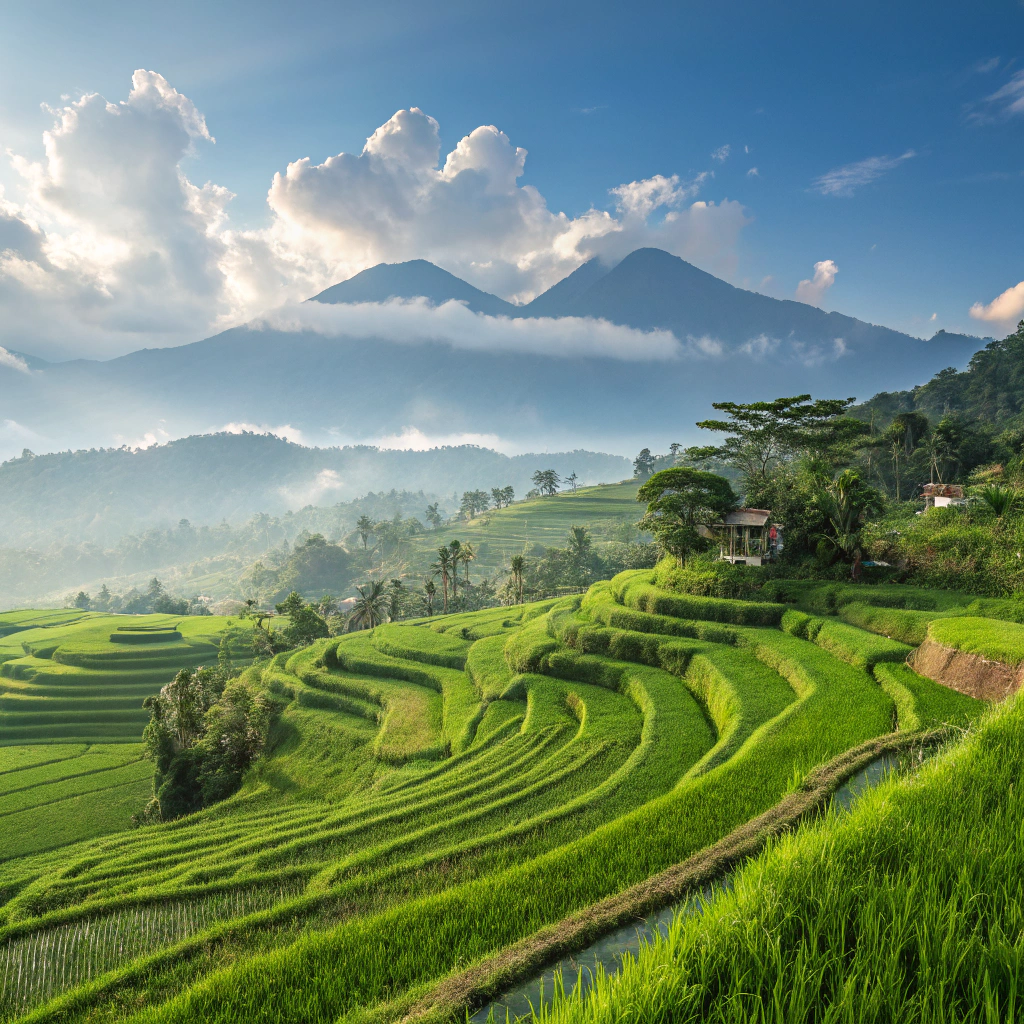
Located just outside Ubud, the Tegallalang Rice Terraces are perhaps the most photographed and well-known terraces in Bali. These lush green fields are sculpted into the sides of the mountains, offering a series of picturesque landscapes and scenic overlooks. Visitors flock to Tegallalang to experience the beauty of Bali’s traditional subak irrigation system, a UNESCO-recognized method that has been used for centuries to cultivate rice.
Why Visit Tegallalang Rice Terraces?
Iconic Views: The stunning scenery of layered rice terraces, with jungle and mountains in the backdrop, makes Tegallalang a must-visit spot for photographers.
Cultural Significance: The terraces are not only beautiful, but they also represent Bali’s deep connection to agriculture and sustainable farming practices.
Interactive Experience: Visitors can walk along the terraces, interact with local farmers, and learn about the traditional rice farming methods.
2. The Jatiluwih Rice Terraces: A UNESCO World Heritage Site
If you’re looking to escape the crowds and experience a more authentic side of Bali’s agricultural history, Jatiluwih is the place to go. Located in the Tabanan region, Jatiluwih Rice Terraces are listed as a UNESCO World Heritage Site and are widely regarded as some of the most beautiful and well-preserved rice fields in Bali. The terraces here stretch for miles and offer breathtaking views of Bali’s central mountains.
Why Visit Jatiluwih Rice Terraces?
Expansive Views: The rice terraces at Jatiluwih are much larger than those at Tegallalang, making for a more immersive experience in nature.
Fewer Tourists: While Tegallalang can be crowded, Jatiluwih offers a more peaceful, tranquil setting, perfect for those seeking a quieter escape.
Cultural Experience: Visit the subak irrigation system in its purest form and learn how the local farmers continue to use traditional methods to grow rice in this area.
3. Best Times to Visit the Rice Terraces
While the rice terraces are beautiful year-round, the best time to visit depends on what you want to experience. Bali’s dry season (April to October) is typically the most popular time to visit, as the weather is sunny and ideal for sightseeing. However, each season offers a unique experience in the rice terraces.
Best Time to Visit:
Dry Season (April to October): Perfect for exploring the terraces under clear skies. This is the best time to visit for photographers and those looking to enjoy the scenic views.
Wet Season (November to March): While the weather may be rainy, the terraces during the wet season are incredibly lush and vibrant, showcasing the beauty of the greenery. This is a great time for those seeking a quieter experience and a chance to see farmers working in the fields.
4. Tips for Visiting Bali’s Rice Terraces
To make the most of your visit to Bali’s rice terraces, here are a few tips to help you navigate the landscapes and enhance your experience:
Practical Tips:
Wear Comfortable Shoes: The terrain can be uneven, so make sure to wear comfortable shoes suitable for walking on uneven surfaces.
Bring Sunscreen and Water: The sun can be intense, so be sure to wear sunscreen and carry water to stay hydrated while exploring the terraces.
Respect Local Farmers: Many of the terraces are still actively farmed by locals, so be respectful and avoid walking on the rice fields unless you’re on designated paths.
Photography: While the rice terraces are incredibly photogenic, be mindful of the locals and their work. Ask for permission if you wish to take photos of the farmers.
5. How to Get to the Rice Terraces
Getting to both Tegallalang and Jatiluwih is relatively easy from Ubud or Denpasar. You can rent a motorbike, hire a private driver, or take a guided tour to reach these stunning locations.
Transportation Tips:
Private Driver: Hiring a private driver is a great option for those who prefer not to navigate Bali’s roads themselves. Drivers can also act as guides, offering insights into the rice terraces’ cultural significance.
Motorbike Rental: For more adventurous travelers, renting a motorbike is an affordable and flexible option to get to the terraces.
Guided Tours: If you prefer a structured experience, consider booking a guided tour to the rice terraces, which often includes stops at local villages and temples along the way.
Table: Best Rice Terraces to Visit in Bali
Rice Terrace |
Location |
Best Features |
Why Visit? |
| Tegallalang Rice Terraces | Ubud | Iconic views, traditional farming techniques | Picturesque landscapes and cultural significance |
| Jatiluwih Rice Terraces | Tabanan | Expansive terraces, UNESCO World Heritage site | Larger, more peaceful area with fewer tourists |
| Sangeh Monkey Forest | Sangeh | Rice fields with sacred monkey forest nearby | Combine a cultural experience with nature |
YouTube Video: Exploring Bali’s Rice Terraces
Watch this YouTube video for a deeper dive into the beauty of Bali’s rice terraces and to see what you can expect during your visit:
Exploring Bali’s Rice Terraces – YouTube
Common Mistakes When Visiting Bali’s Rice Terraces + Fixes
Mistake #1: Visiting During the Rainy Season Without Proper Preparation
While the wet season offers lush greenery, it can also bring heavy rain that may make hiking difficult.
Fix: Be sure to bring appropriate gear, such as waterproof clothing, sturdy footwear, and an umbrella if visiting during the wet season.
Mistake #2: Ignoring Respect for Local Farmers
Walking on the rice fields without permission can disrupt the work of local farmers.
Fix: Always stick to designated paths and be respectful of the rice fields and the hard work that goes into maintaining them.
Information Gain Section
In addition to visiting the famous Tegallalang and Jatiluwih terraces, Bali has lesser-known rice terraces in areas like Sidemen and Tampaksiring. These quieter locations offer a more intimate experience with Bali’s agriculture and natural beauty, allowing you to escape the crowds and discover Bali’s rural charm.
Myth vs Reality: Bali’s Rice Terraces
Myth: Bali’s rice terraces are only a tourist attraction.
Reality: The rice terraces in Bali are actively farmed and are an important part of local life and agriculture, providing an opportunity for visitors to learn about Bali’s traditional farming practices.
FAQ Section
Can I visit Bali’s rice terraces independently, or do I need a guide?
You can visit the rice terraces independently, but a guide can enrich the experience by providing insights into the cultural significance of the terraces and the farming methods used.
Are there any entrance fees for visiting the rice terraces?
Entrance fees are usually minimal. Some terraces like Tegallalang charge a small fee for entry to the viewpoints or to walk through the fields.
When is the best time of day to visit the rice terraces?
Early morning or late afternoon are the best times to visit for cooler weather and fewer crowds. The lighting during these times is also perfect for photography.
Can I visit the rice terraces in Bali by public transport?
While Bali does have limited public transport, renting a scooter or hiring a driver are the easiest and most efficient ways to reach the terraces.
What should I wear when visiting the rice terraces?
Wear comfortable and modest clothing (covering your shoulders and knees for temple visits), along with sturdy shoes for walking.
Conclusion
Bali’s rice terraces are more than just scenic spots—they are a vital part of the island’s cultural heritage and agricultural practices. Whether you’re looking to capture the perfect photograph, learn about traditional farming techniques, or simply enjoy the serenity of Bali’s landscapes, the Tegallalang and Jatiluwih rice terraces offer an unforgettable experience. With a little preparation, you’ll be ready to immerse yourself in one of Bali’s most stunning natural wonders.
Internal Linking Plan
Link to Exploring Bali’s Traditional Cuisine
Link to “Top Budget Travel Tips for Bali”