Introduction
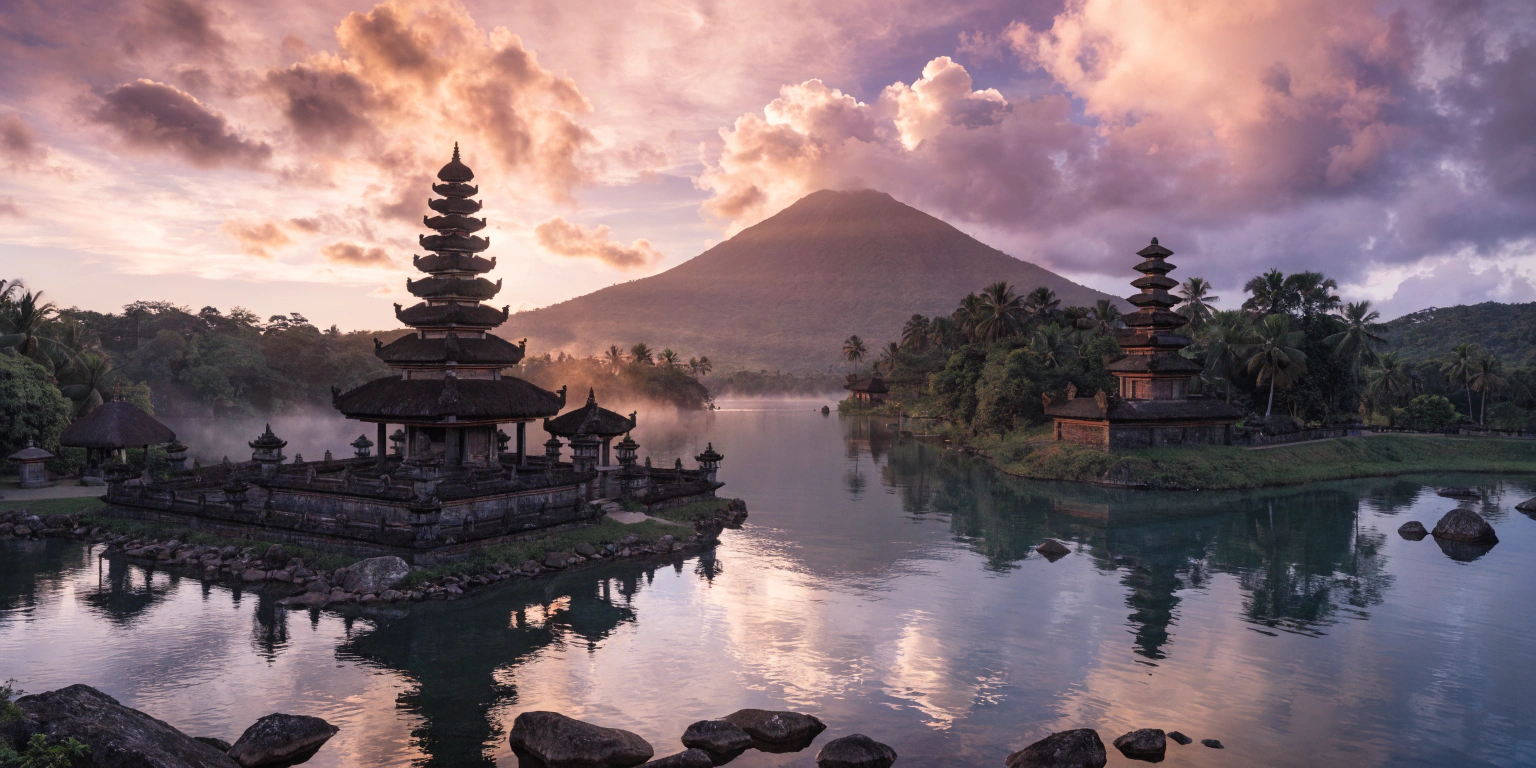
Bali is often referred to as the Island of the Gods, and its temples are at the heart of its spiritual and cultural life. These sacred sites are more than just architectural wonders; they represent Bali’s deep connection to the divine and its rich Hindu heritage. From towering temples nestled in the mountains to dramatic sea temples perched on cliffs, Bali’s sacred sites are not only breathtaking to visit but are also integral to understanding the island’s spiritual identity. In this article, we will take you through Bali’s most sacred temples and spiritual sites, offering insights into their history, significance, and the rituals that make them truly special.
Top Sacred Temples and Spiritual Sites in Bali
1. Besakih Temple – Bali’s Mother Temple
Located on the majestic Mount Agung, Besakih Temple is Bali’s largest and most important temple complex. Often referred to as the Mother Temple of Bali, Besakih is dedicated to the Hindu Trimurti gods: Brahma (the creator), Vishnu (the preserver), and Shiva (the destroyer). The temple complex consists of over 80 individual temples spread across the slopes of Mount Agung, offering stunning views of the island and a deep sense of spirituality.
Why Visit Besakih Temple?
Sacred significance: Besakih is Bali’s spiritual center, revered by locals as the island’s holiest temple.
Breathtaking views: The temple offers panoramic views of Mount Agung and the surrounding landscapes.
Cultural and spiritual connection: Besakih is a place where you can connect with the island’s Hindu heritage.
2. Tanah Lot Temple – Bali’s Iconic Sea Temple
Tanah Lot Temple, located on the southwestern coast of Bali, is one of the island’s most iconic and photographed temples. Perched on a large rock formation just off the shore, Tanah Lot is dedicated to Baruna, the sea god. The temple is best known for its stunning sunset views, where the temple appears to float on the ocean as the sun sets behind it, making it one of the most popular spots for both tourists and photographers.
Why Visit Tanah Lot Temple?
Scenic beauty: Tanah Lot offers one of Bali’s most picturesque views, especially during sunset.
Unique sea temple: Located on a rock formation surrounded by the ocean, making it a spiritual and visual marvel.
Cultural experience: It is a significant temple for Balinese Hindus, offering a unique glimpse into local religious practices.
3. Uluwatu Temple – A Cliffside Sanctuary
Uluwatu Temple, located on the southern tip of Bali, is perched on a dramatic cliff overlooking the Indian Ocean. The temple is dedicated to Ruda, the god of the sea, and it is considered one of Bali’s six key temples. Uluwatu Temple is also famous for its stunning Kecak dance performances during sunset, where a group of dancers reenacts the Ramayana epic against the backdrop of the ocean.
Why Visit Uluwatu Temple?
Breathtaking location: The temple is perched on a cliff, offering sweeping views of the ocean below.
Cultural experience: Watch the Kecak dance performance during sunset.
Spiritual significance: Uluwatu is an important sea temple, representing Bali’s spiritual connection to the ocean.
4. Tirta Empul – Bali’s Sacred Water Temple
Tirta Empul is one of Bali’s most famous water temples, located in Central Bali, near Ubud. Known for its holy spring water, Tirta Empul is a place where locals and visitors alike come to purify themselves in the sacred waters. The temple is dedicated to Indra, the god of rain, and is believed to have healing properties. Visitors can participate in a ritual purification process by bathing in the temple’s pools, an experience that connects them to Bali’s spiritual traditions.
Why Visit Tirta Empul?
Sacred purification: The temple’s holy spring water is believed to have healing properties and offers visitors a chance to purify themselves spiritually.
Beautiful temple complex: The site is surrounded by lush tropical gardens and intricate carvings.
Spiritual immersion: It offers a unique opportunity to connect with Balinese Hindu practices and experience a spiritual cleansing.
5. Pura Ulun Danu Beratan – A Temple on the Water
Located on the shores of Lake Beratan in the Bedugul Highlands, Pura Ulun Danu Beratan is one of Bali’s most serene and picturesque temples. Dedicated to Dewi Danu, the goddess of water, this temple is known for its stunning lakefront setting, with the temple complex appearing to float on the water. The temple plays an important role in Bali’s irrigation system, as it is dedicated to the goddess of water and is essential for the island’s rice farming practices.
Why Visit Pura Ulun Danu Beratan?
Scenic beauty: The temple’s picturesque location on Lake Beratan offers a tranquil atmosphere and stunning views.
Cultural significance: It plays a key role in Bali’s agricultural practices and is central to water management on the island.
Peaceful retreat: The serene atmosphere makes it a great spot for spiritual reflection.
Table: Bali’s Sacred Temples and Spiritual Sites
Temple Name |
Location |
Significance |
Why Visit? |
| Besakih Temple | Mount Agung | Bali’s Mother Temple, dedicated to Trimurti | Spiritual center of Bali, panoramic views |
| Tanah Lot Temple | Southwestern Coast | Sea temple dedicated to the sea god Baruna | Iconic sunset views, sacred ocean connection |
| Uluwatu Temple | Southern Bali | Sea temple dedicated to the god of the sea | Cliffside location, Kecak dance performance at sunset |
| Tirta Empul | Central Bali | Sacred water temple dedicated to Indra | Purification rituals, spiritual immersion |
| Pura Ulun Danu Beratan | Bedugul | Temple dedicated to the goddess of water | Picturesque location on the lake, spiritual significance |
YouTube Video: Bali’s Sacred Temples and Spiritual Sites
Watch this YouTube video to discover Bali’s sacred temples and learn about the island’s spiritual practices and rituals:
Bali’s Sacred Temples – YouTube
Common Mistakes When Visiting Bali’s Sacred Temples + Fixes
Mistake #1: Not Dressing Appropriately
When visiting Bali’s temples, it’s important to adhere to the dress code, which often includes wearing a sarong and sash to show respect for the sacred site.
Fix: Always dress modestly by wearing a sarong and sash when visiting temples. Most temples provide sarongs if you don’t have one.
Mistake #2: Disrespecting the Rituals
Bali’s temples are places of worship, and visitors may unintentionally disrupt rituals or ceremonies by talking loudly or taking inappropriate photos.
Fix: Be mindful of local customs. Avoid interrupting rituals and ask locals or guides for permission before taking photos, especially during ceremonies.
Information Gain Section
Bali is not just home to its well-known temples like Tanah Lot and Besakih. The island also has hidden temples in remote villages where traditional practices remain largely untouched by tourism. One example is Pura Taman Sari, located in the northern part of Bali, which is known for its peaceful atmosphere and minimal crowds. These off-the-beaten-path temples offer a more intimate and authentic experience of Bali’s spiritual traditions.
Myth vs Reality: Bali’s Sacred Temples
Myth: All Bali’s temples are crowded and touristy.
Reality: While popular temples like Tanah Lot and Uluwatu attract large crowds, many smaller, lesser-known temples offer a more peaceful and authentic experience away from the hustle and bustle.
FAQ Section
What is the best time to visit Bali’s temples?
The best time to visit is during the dry season (April to October) when the weather is perfect for exploring.
Can tourists participate in religious ceremonies?
Tourists can observe ceremonies, but it’s important to respect local customs. Always ask for permission before participating.
Are there any rituals I should be aware of when visiting temples?
Dress modestly, and be aware that some temples require visitors to be quiet and respectful during rituals.
Can I take photos at Bali’s temples?
Photography is generally allowed, but it’s best to ask before taking photos, especially during ceremonies.
Do I need a guide to visit Bali’s temples?
While guides are not always necessary, they can provide invaluable insights into the history, rituals, and significance of the temples.
Conclusion
Bali’s sacred temples and spiritual sites offer a profound connection to the island’s spiritual heritage. From the peaceful Besakih Temple to the dramatic Uluwatu Temple, these sacred sites not only showcase Bali’s architectural beauty but also provide a space for reflection, connection, and spiritual growth. Visiting these temples is a chance to dive deep into Bali’s Hindu practices, rituals, and cultural heritage.
Internal Linking Plan
Link to “Bali’s Spiritual Practices and Healing Traditions”
Link to “Top Bali Beach Clubs and Beachfront Dining”