Introduction
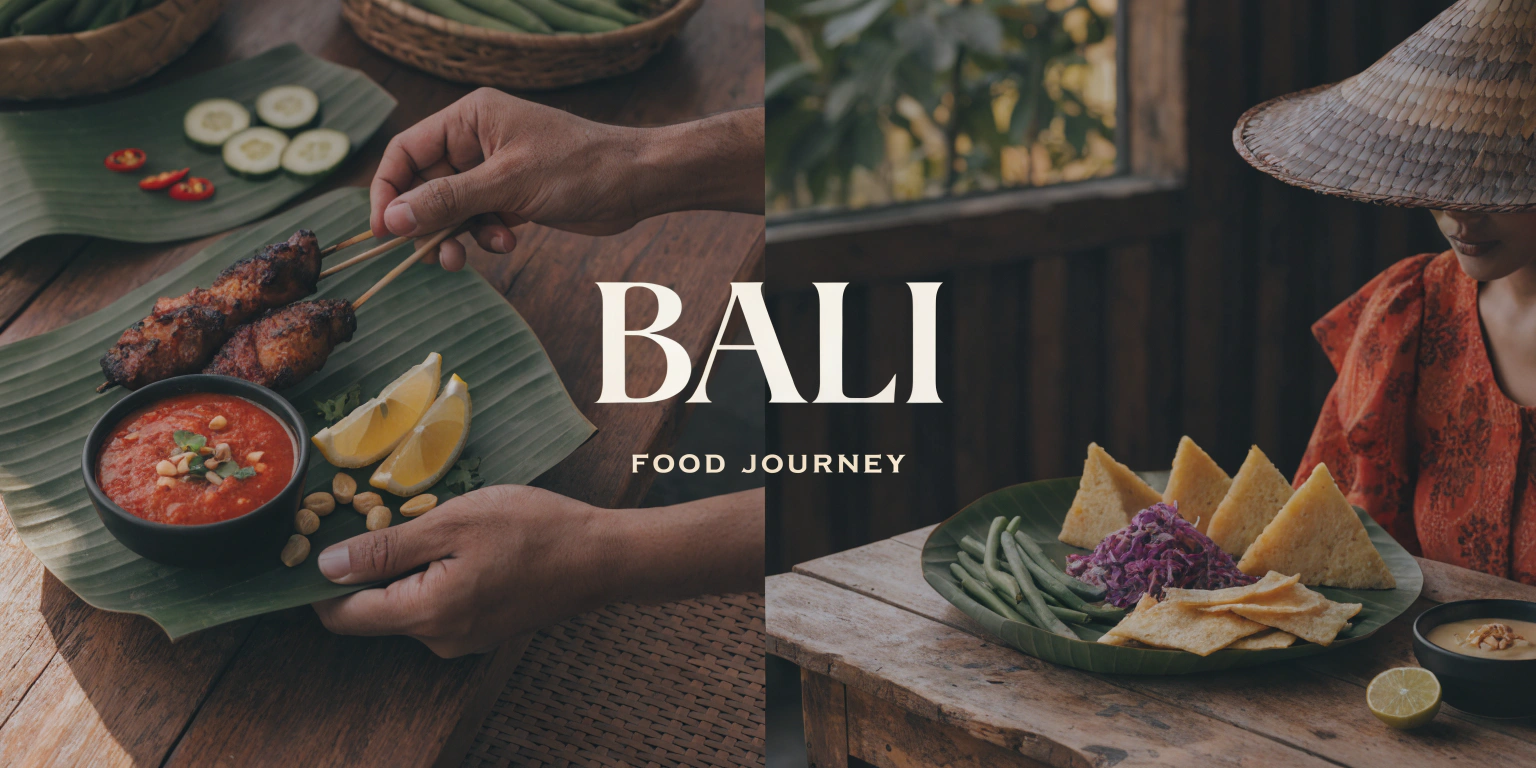
Bali isn’t just known for its stunning beaches and rich cultural heritage—it also boasts a vibrant food culture that’s as diverse and unique as the island itself. Traditional Balinese cuisine is a feast for the senses, featuring a mix of flavors, spices, and textures that reflect the island’s history, culture, and geography. Whether you’re dining at a traditional warung (local eatery) or enjoying a luxurious meal at a resort, Bali offers an array of culinary experiences that will tantalize your taste buds. Let’s dive into the flavors of Bali and explore some of the most iconic dishes and the island’s unique food culture.traditional cuisine
Key Elements of Balinese Cuisine
1. Rice: The Heart of Balinese Cuisine
At the center of almost every meal in Bali is rice. Bali’s diet is largely based on rice, which is grown in the island’s fertile volcanic soil. Nasi (cooked rice) is served with almost every meal, often accompanied by various meats, vegetables, and spicy sambals (chili-based condiments). Nasi Campur, a mixed rice dish served with a variety of side dishes, is one of Bali’s most beloved meals.
Popular Rice Dishes in Bali:
Nasi Campur: Rice served with an assortment of meats, vegetables, and sambals.
Nasi Goreng: Bali’s version of fried rice, typically served with a fried egg on top.
Nasi Uduk: Fragrant coconut rice served with various side dishes like fried chicken and sambal.
2. Spices and Flavors: The Foundation of Balinese Cooking
Balinese cuisine is aromatic, with spices and herbs playing a significant role in almost every dish. Turmeric, ginger, lemongrass, shallots, and garlic are commonly used to create rich and flavorful pastes called bumbu. These pastes form the base of many dishes and give Balinese food its characteristic depth of flavor.
Essential Balinese Spices:
Turmeric: Adds color and an earthy flavor to dishes like Ayam Betutu.
Ginger: A key ingredient in many dishes, providing warmth and spice.
Chili: Used in sambals and to add heat to dishes like Nasi Goreng.
Signature Balinese Dishes
1. Babi Guling – The Ultimate Balinese Feast
Babi Guling (suckling pig) is perhaps the most iconic dish in Bali. This dish is traditionally prepared for special occasions, including religious ceremonies and celebrations. The pig is marinated with a mixture of spices, then slow-cooked over an open flame until the skin is crispy and the meat is tender. Babi Guling is typically served with rice, vegetables, and a variety of sambals. It’s a must-try dish for those seeking an authentic Balinese culinary experience.
Where to Try Babi Guling:
Ibu Oka in Ubud is one of Bali’s most famous spots to enjoy Babi Guling, offering a traditional version of the dish.
2. Ayam Betutu – Slow-Cooked Chicken with Rich Flavors
Ayam Betutu is another beloved dish in Bali, known for its rich, complex flavors. The chicken is marinated in a fragrant mix of spices and herbs, wrapped in banana leaves, and then slow-cooked until the meat is tender and infused with the aromatic flavors. This dish is typically served with rice and sambal and is often enjoyed during festivals or special events.
Why Try Ayam Betutu?
Tender chicken infused with layers of spices and herbs.
A dish typically reserved for special occasions, making it a unique experience.
3. Sate Lilit – Balinese Skewered Delight
Sate Lilit is a Balinese version of satay, made by wrapping minced meat (usually fish, chicken, or beef) around a stick and grilling it over charcoal. The meat is mixed with a blend of spices, and the result is a flavorful and aromatic treat, often served with rice or lawar (a traditional vegetable salad).
What Makes Sate Lilit Special?
Unique to Bali, Sate Lilit is grilled over an open flame, giving it a smoky flavor.
It’s often enjoyed as a snack or appetizer, perfect for sharing.
Popular Balinese Desserts
1. Klepon – Sweet Coconut Rice Balls
For dessert, Klepon is a traditional Balinese treat made of glutinous rice flour, filled with palm sugar and coated in fresh grated coconut. These bite-sized rice balls are chewy, sweet, and delicious—making them a perfect way to end a traditional Balinese meal.
2. Dadar Gulung – Indonesian Green Pancakes
Dadar Gulung is a green pancake filled with coconut and palm sugar. The pancake itself is made with pandan leaves, which give it its signature green color. This sweet treat is often served as a snack and is a beloved dessert throughout Bali and Indonesia.
Table: Key Balinese Dishes to Try
Dish |
Main Ingredients |
Why You Should Try It |
| Babi Guling | Suckling pig, spices, rice, sambal | Bali’s iconic dish, perfect for special occasions. |
| Ayam Betutu | Slow-cooked chicken, spices, herbs | Tender, flavorful chicken in a rich spice blend. |
| Sate Lilit | Minced meat (chicken/fish), spices | Grilled skewers with a smoky flavor, unique to Bali. |
| Klepon | Glutinous rice, palm sugar, coconut | Sweet, chewy rice balls for a delightful dessert. |
| Dadar Gulung | Pandan pancake, coconut, palm sugar | A colorful, sweet pancake treat with a coconut filling. |
YouTube Video: Exploring Bali’s Traditional Cuisine
Watch this YouTube video to explore Bali’s traditional dishes and food culture, and learn how these dishes are made:
Traditional Balinese Cuisine – YouTube
Common Mistakes When Tasting Balinese Cuisine + Fixes
Mistake #1: Not Trying the Spicy Dishes
Balinese cuisine is known for its spicy flavors, but many visitors shy away from dishes like Babi Guling or Ayam Betutu because of the spice level.
Fix: Don’t miss out on the full experience! If you’re not used to spice, start slow and ask for less spicy options to build up your tolerance.
Mistake #2: Skipping Local Warungs
Many visitors opt for international food in Bali, missing out on authentic local flavors that can only be found in local warungs.
Fix: Make it a point to dine at warungs to get a taste of real Balinese food prepared by local chefs.
Information Gain Section
One often-overlooked gem in Bali’s food scene is Bali’s street food culture. Sate Ayam (chicken satay), bakso (meatball soup), and jajan pasar (traditional Balinese sweets) are widely available from street vendors and local markets. These affordable snacks offer a taste of authentic, home-cooked flavors that tourists often miss out on when dining in high-end restaurants. Don’t be afraid to try street food for a true taste of Bali’s vibrant culinary culture.
Myth vs Reality: Balinese Food
Myth: Bali’s food is all about spicy dishes and hot flavors.
Reality: While spice is an important element, Bali’s cuisine also offers mild, fragrant dishes that highlight fresh ingredients, such as Ayam Betutu and Nasi Uduk.
FAQ Section
What is Bali’s most famous dish?
Babi Guling (suckling pig) is often considered Bali’s most famous and iconic dish.
Can I find vegetarian food in Bali?
Yes! Bali offers a variety of vegetarian-friendly dishes, such as Gado-Gado (vegetable salad with peanut sauce) and Tempeh (fermented soybean dish).
Is Balinese food very spicy?
Yes, many dishes are spicy, but you can always ask for less spice when ordering.
Where can I try the best Babi Guling in Bali?
Ibu Oka in Ubud is one of the most famous places to try Babi Guling.
What’s a good dessert to try in Bali?
Klepon and Dadar Gulung are traditional Balinese sweets that are a must-try!
Conclusion
Bali’s cuisine is as rich and diverse as the island itself. Whether you’re tasting the iconic Babi Guling, enjoying a flavor-packed Ayam Betutu, or savoring street food snacks in local markets, the island’s food culture offers something for every palate. Don’t just visit Bali for its beaches and temples—explore the island through its delicious traditional dishes and food culture.
Internal Linking Plan
Link to “Bali’s Best Surfing Spots
Link to “Best Places to Visit in Bali