Introduction
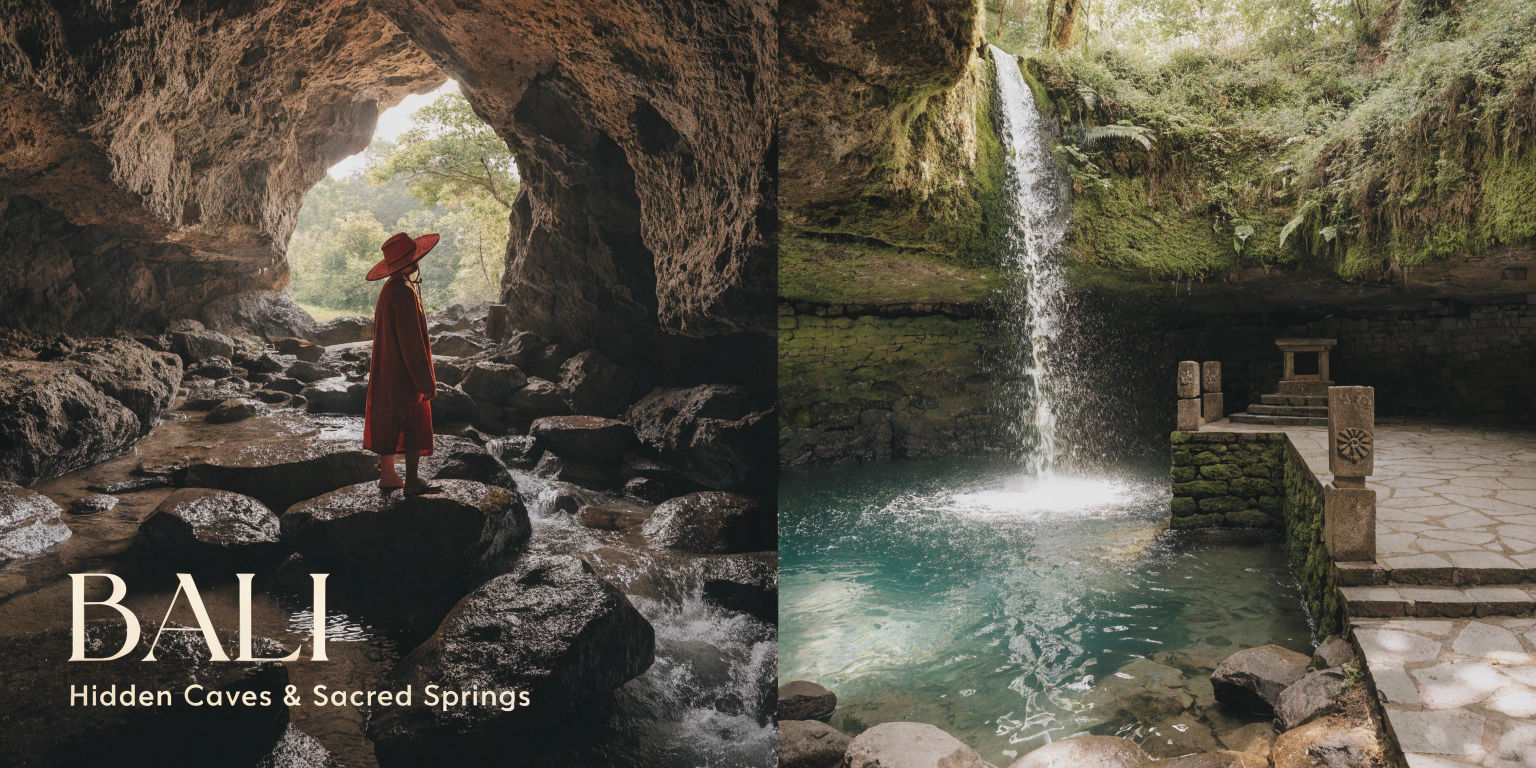
Bali is an island of mysticism, where culture, nature, and spirituality intertwine. Beyond its popular beaches and rice terraces, Bali is home to a wealth of sacred sites and hidden natural wonders. From ancient caves steeped in history to serene sacred springs believed to have healing powers, these lesser-known destinations offer a deeper connection to the island’s rich cultural and spiritual heritage.
In this guide, we’ll take you on a journey to explore Bali’s hidden caves and sacred springs, places that embody the island’s mystical charm and offer a peaceful escape into nature.
1. Goa Gajah: Bali’s Sacred Elephant Cave
One of Bali’s most famous and culturally significant sacred caves is Goa Gajah, also known as the Elephant Cave. Located near Ubud, Goa Gajah dates back to the 9th century and is believed to have served as a meditation retreat for Hindu and Buddhist monks. The cave is carved into a rock face and features a large, detailed entrance shaped like the mouth of a demon, which is said to symbolize the entrance to the spirit world.
Why Visit Goa Gajah?
Spiritual Significance: Goa Gajah is an important site for Hindu pilgrims, and its location is said to offer a powerful spiritual experience.
Architectural Beauty: The intricate carvings around the cave’s entrance depict scenes from Hindu mythology, making it a fascinating place to explore.
Sacred Water Pools: Near the cave are sacred spring pools, where pilgrims have bathed for centuries, believing that the water has healing properties.
How to Get There:
Drive: Goa Gajah is about 15 minutes from Ubud and can be easily accessed by private driver or motorbike.
Walk: From the parking area, you’ll need to descend stairs to reach the cave entrance, so be sure to wear comfortable shoes.
2. Tirta Empul: Bali’s Sacred Water Temple
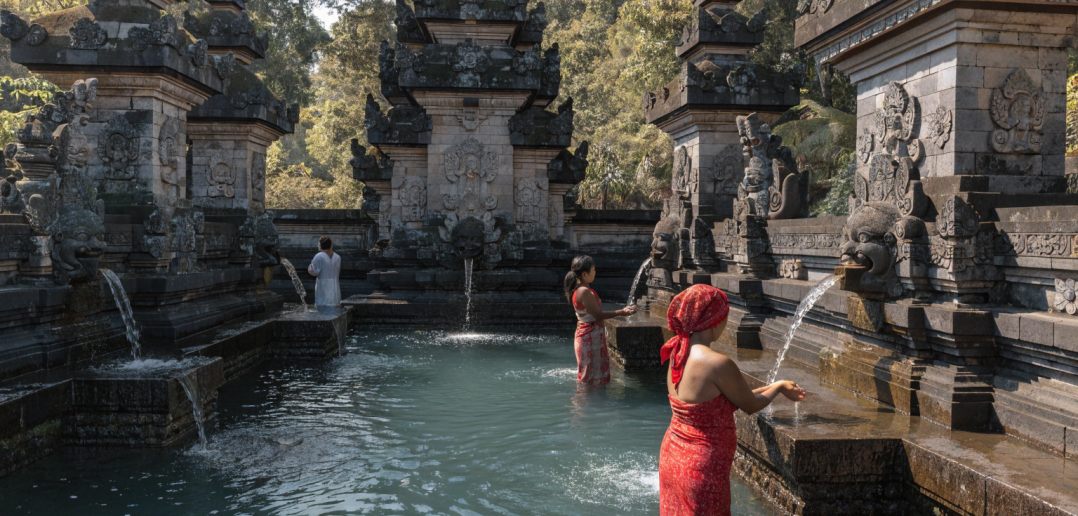
Tirta Empul is one of Bali’s most important spiritual sites, located in the village of Manukaya. This ancient temple is famous for its holy spring water, which is believed to have cleansing and healing properties. Pilgrims from all over Bali visit Tirta Empul to partake in a ritual purification ceremony, where they dip themselves in the sacred spring water to cleanse both their body and spirit.
Why Visit Tirta Empul?
Sacred Spring Water: The temple’s holy springs are said to purify the body and soul, making it a place of deep spiritual significance.
Rituals: Visitors can participate in the purification ritual, following the steps of the Balinese Hindus who come to cleanse their minds and bodies.
Beautiful Setting: The temple is set within a lush jungle, providing a peaceful atmosphere and beautiful views of natural springs and stone carvings.
How to Get There:
Drive: Tirta Empul is located about 30 minutes north of Ubud. It’s easy to reach by private car or motorbike.
Walk: Once you arrive, you’ll walk through the temple grounds to reach the holy spring pools.
3. Goa Lawah: Bali’s Bat Cave Temple
Goa Lawah, also known as the Bat Cave Temple, is located on the eastern coast of Bali, near the town of Klungkung. The cave is home to thousands of bats that hang from the ceiling, creating an eerie yet fascinating atmosphere. According to Balinese legend, the cave is the home of Brahma, the Hindu god of creation, and is considered a sacred site for spiritual offerings and rituals.
Why Visit Goa Lawah?
Cultural and Spiritual Significance: Goa Lawah is a temple complex that is important for both Hindu and Balinese spiritual beliefs.
Bats and Mysticism: The presence of thousands of bats inside the cave adds a layer of mystery to the experience, symbolizing the link between the physical and spiritual worlds.
Peaceful Atmosphere: Despite its popularity, Goa Lawah remains relatively calm, offering a peaceful place to meditate and reflect.
How to Get There:
Drive: Goa Lawah is approximately 1.5 hours from Ubud. You can reach the site by private driver or motorbike.
Explore: Once you arrive, explore the temple grounds and venture into the cave to see the bats and the beautiful stone carvings.
4. Pura Petitenget: Bali’s Sacred Beach Temple
While most temples in Bali are located in the mountains or inland, Pura Petitenget offers a different kind of spiritual experience, located right by the beach in Seminyak. Known as the Sacred Temple of Petitenget, this temple is dedicated to the Balinese gods and is especially revered for its connection to spiritual purity and beachfront rituals. The temple is also famous for its beautiful stone statues, Balinese architecture, and its serene location by the ocean.
Why Visit Pura Petitenget?
Sacred Beachfront Location: The temple’s location by the beach offers a unique opportunity to combine spiritual exploration with beach relaxation.
Local Offerings: Visitors can witness locals offering prayers and flowers in this sacred setting, giving an insight into Bali’s spiritual practices.
Peaceful Atmosphere: Despite being close to the tourist areas of Seminyak, the temple remains a peaceful and reflective spot.
How to Get There:
Walk: Pura Petitenget is located just a short walk from Seminyak Beach. It’s easy to reach by foot from nearby hotels or resorts.
Drive: If coming from other areas, take a private car or motorbike for a quick ride to the temple.
5. Sacred Springs of Sebatu: Tranquility and Purification
The Sacred Springs of Sebatu are located near Tirta Empul and are less known to tourists, making them a hidden gem for those seeking a peaceful spiritual experience. The Sebatu holy spring is believed to have healing properties, and it’s a place where locals come to purify themselves both physically and spiritually.
Why Visit Sebatu Sacred Springs?
Serenity and Peace: The peaceful environment makes it a great spot for quiet reflection or meditation.
Traditional Rituals: Visitors can witness traditional purification ceremonies that involve bathing in the sacred springs.
Tranquil Setting: The Sebatu springs are surrounded by beautiful lush greenery, making it a calming and natural environment to visit.
How to Get There:
Drive: The Sacred Springs of Sebatu are about 30 minutes north of Ubud by private driver or motorbike.
Walk: A short walk through the temple grounds will bring you to the sacred spring pools, where you can witness local purification rituals.
Table: Bali’s Hidden Caves and Sacred Springs
Site |
Location |
Best Features |
Why Visit? |
| Goa Gajah (Elephant Cave) | Ubud | Carved cave with sacred pools and historical significance | Spiritual healing, ancient architecture, and photography |
| Tirta Empul | Manukaya, Central Bali | Sacred spring water temple with purification rituals | Healing waters and participation in purification ceremonies |
| Goa Lawah | Klungkung, East Bali | Bat-filled cave with spiritual significance | Mystical cave with bats and a link to Hindu gods |
| Pura Petitenget | Seminyak, South Bali | Sacred temple by the beach with Balinese architecture | Sacred temple, beachside setting, and local rituals |
| Sebatu Sacred Springs | Sebatu, Central Bali | Tranquil water source with healing properties | Peaceful purification rituals in lush surroundings |
YouTube Video: Exploring Bali’s Sacred Caves and Springs
Watch this YouTube video to learn more about Bali’s sacred caves and healing springs:
Exploring the Mystical Caves – YouTube
Common Mistakes When Visiting Bali’s Sacred Springs and Caves + Fixes
Mistake #1: Not Respecting the Sacredness of the Sites
Some visitors may not understand the spiritual significance of these sites, leading to disrespectful behavior.
Fix: Be mindful of local customs, dress modestly, and follow the rules when visiting sacred sites.
Mistake #2: Not Checking Opening Hours
Many sacred sites close for prayer ceremonies or special events.
Fix: Always check the opening hours of these locations before you go, and plan your visit accordingly.
Information Gain Section
While most of Bali’s sacred sites are rooted in Hindu culture, Bali’s spirituality also blends animism—the belief that natural features (such as mountains, rivers, and caves) possess spiritual significance. This blend of religious and spiritual beliefs is what makes Bali’s sacred places so unique and culturally rich.
Myth vs Reality: Bali’s Sacred Sites
Myth: Bali’s sacred caves are only for religious ceremonies.
Reality: While the caves and springs are primarily used for spiritual and purification rituals, they also offer a chance for personal reflection, meditation, and exploration.
FAQ Section
Can I participate in purification rituals at Bali’s sacred springs?
Yes, visitors can often participate in the purification rituals at Tirta Empul and Sebatu.
What should I wear when visiting Bali’s sacred sites?
It’s important to dress modestly. Wear covered clothing (long pants or skirts, and a scarf for your shoulders) when visiting temples or sacred springs.
Are these sacred sites open to tourists?
Most of Bali’s sacred sites are open to tourists, but some may require a small entrance fee or have specific visiting hours for ceremonies.
Is it safe to visit Bali’s caves?
Yes, the caves are generally safe to visit, but be cautious of slippery paths and always follow the advice of your guide.
How can I contribute to the spiritual significance of these sites?
Show respect by following the local customs, offering prayers if you wish, and keeping the areas clean.
Conclusion
Bali’s hidden caves and sacred springs offer a unique way to experience the island’s spiritual and natural beauty. From the ancient Goa Gajah Cave to the healing waters of Tirta Empul, these mystical sites are perfect for those seeking more than just beaches and rice terraces. Immerse yourself in Bali’s rich cultural and spiritual heritage by visiting these sacred spots, and take home memories of Bali’s deep connection to nature and spirituality.
Internal Linking Plan
Link to “Exploring Bali’s Stunning Rice Terraces”
Link to “What to Know Before Traveling”