Introduction
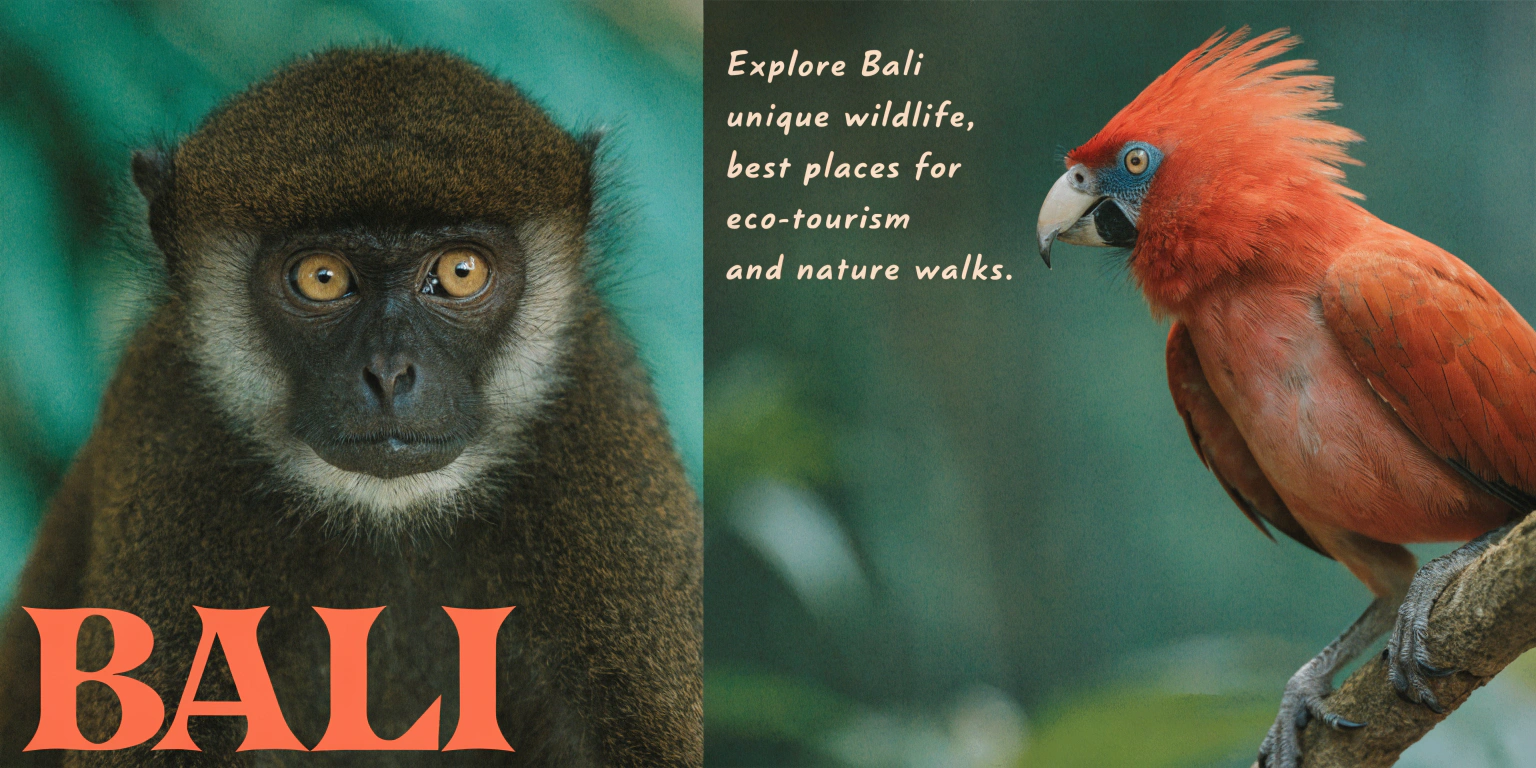
Bali is renowned for its pristine landscapes, from lush jungles to tropical beaches, and its rich culture. However, one of the island’s hidden treasures is its diverse wildlife. Bali is home to a variety of animals, including monkeys, tropical birds, and unique marine species, making it an ideal destination for eco-tourism and nature enthusiasts.
In this guide, we’ll introduce you to the best places in Bali to experience its wildlife and explore the island’s natural wonders. Whether you’re looking to see monkeys in the Sacred Monkey Forest, tropical birds in a bird sanctuary, or wildlife on a nature walk, Bali offers many opportunities to connect with nature and protect the island’s eco-system.
1. Sacred Monkey Forest Sanctuary: Bali’s Most Famous Wildlife Spot
Located in the heart of Ubud, the Sacred Monkey Forest Sanctuary is one of Bali’s most popular eco-tourism spots. This natural reserve is home to hundreds of long-tailed macaques, and it provides visitors with a unique opportunity to observe these playful monkeys in their natural habitat.
Why Visit the Sacred Monkey Forest Sanctuary?
Monkey Viewing: The forest is home to over 600 macaques, and you can walk through the forest to see them in their natural environment.
Beautiful Surroundings: The sanctuary is a lush, green area full of ancient trees, temples, and natural springs, offering a peaceful atmosphere.
Cultural Significance: The sanctuary is not only a wildlife reserve but also a cultural site. It’s home to several ancient temples that are part of the Balinese spiritual heritage.
How to Get There:
Walk: The Sacred Monkey Forest Sanctuary is located in Ubud, and you can easily walk there from most accommodations in the town.
Entrance Fee: There is a small entrance fee, and it’s recommended to bring local currency for payment.
2. Bali Bird Park: A Haven for Exotic Birds
For bird lovers, Bali Bird Park is a must-visit destination. Located in Gianyar, this sanctuary is home to more than 1,000 birds from over 250 species. Visitors can observe a variety of birds, including endemic species like the Bali Starling, which is critically endangered. The park’s lush gardens and walking trails provide an immersive experience for those interested in learning more about Bali’s avian life.
Why Visit Bali Bird Park?
Diverse Bird Species: The park features a wide variety of birds, including parrots, flamingos, eagles, and hornbills.
Conservation Efforts: The park plays a key role in the conservation of the Bali Starling, one of the island’s most endangered species.
Interactive Experience: You can enjoy bird shows, feeding sessions, and even interact with some of the birds in a safe and controlled environment.
How to Get There:
Drive: Bali Bird Park is located in Gianyar, about a 30-minute drive from Ubud and 1 hour from Seminyak.
Entrance Fee: There is an entrance fee for the park, and you can also book guided tours for a more in-depth experience.
3. Bali Safari and Marine Park: A Comprehensive Wildlife Experience
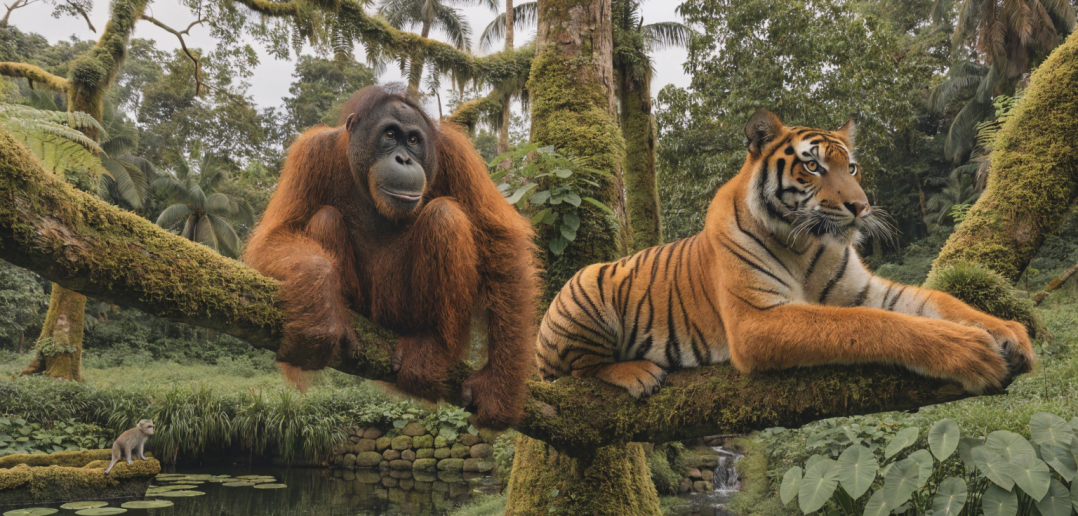
The Bali Safari and Marine Park is one of Bali’s largest wildlife parks, offering visitors the chance to see exotic animals from around the world, including lions, elephants, tigers, and orangutans. The park is dedicated to animal conservation and education, and visitors can learn about the efforts to protect endangered species.
Why Visit Bali Safari and Marine Park?
Wide Range of Animals: The park is home to over 60 species of animals, including Asian elephants, Komodo dragons, and Sumatran tigers.
Safari Rides: The park offers safari rides where you can get up close and personal with the animals in a natural, open-air environment.
Marine Life: In addition to land animals, the park also features a marine area with aquatic animals like sharks, stingrays, and sea turtles.
How to Get There:
Drive: The Bali Safari and Marine Park is located in Gianyar, about 45 minutes from Ubud by car.
Family-Friendly: This park is ideal for families and anyone interested in seeing a variety of animals in one place.
4. West Bali National Park: A Sanctuary for Wildlife and Adventure
West Bali National Park is one of the least visited but most spectacular natural areas in Bali. Located on the northwestern tip of the island, this protected park covers 10% of Bali’s total land area and is home to many unique species of flora and fauna, including the Bali Starling, which is the island’s national bird.
Why Visit West Bali National Park?
Wildlife Observation: The park is a sanctuary for Bali Starling, as well as other species like deer, monkeys, and wild boar.
Eco-Tours and Hiking: West Bali National Park offers several hiking trails through diverse ecosystems, from mangrove forests to dry savannah areas.
Marine Life: The park is also home to beautiful coral reefs and diving spots where you can observe marine life.
How to Get There:
Drive: West Bali National Park is located about 2-2.5 hours from Ubud. It’s best to rent a motorbike or hire a driver for the trip.
Eco-Tours: You can book eco-tours that include bird watching and guided hikes in the park.
5. Bali Wildlife Rescue Centre: Helping Endangered Species
The Bali Wildlife Rescue Centre is dedicated to rescuing and rehabilitating animals that have been victims of illegal wildlife trade or mistreatment. Located in Sukawati, the center provides a sanctuary for endangered species, including orangutans, sun bears, and tigers.
Why Visit Bali Wildlife Rescue Centre?
Animal Conservation: The center focuses on the rehabilitation and release of rescued animals, as well as educating visitors about wildlife conservation efforts.
Meet Endangered Species: You can learn about and observe some of Bali’s most endangered species, such as orangutans and sun bears.
Support Ethical Wildlife Tourism: Your visit helps support the center’s conservation projects and rescue efforts.
How to Get There:
Drive: The Bali Wildlife Rescue Centre is located in Sukawati, about 30-45 minutes from Ubud by car.
Guided Tours: Visitors can participate in guided tours where they can learn about the center’s efforts and interact with the animals in a safe, respectful manner.
Table: Best Places for Eco-Tourism and Wildlife in Bali
Location |
Best Features |
Why Visit? |
| Sacred Monkey Forest Sanctuary | Home to over 600 macaques and lush temple grounds | Wildlife viewing in a sacred, peaceful setting |
| Bali Bird Park | Over 1,000 birds from 250 species | Learn about bird conservation and see exotic birds |
| Bali Safari and Marine Park | Home to over 60 animal species and aquatic life | Safari rides, wildlife encounters, and marine life |
| West Bali National Park | Sanctuary for Bali Starling and diverse ecosystems | Hiking, wildlife, and marine life in a protected park |
| Bali Wildlife Rescue Centre | Rescue and rehabilitation center for endangered species | Conservation efforts and the chance to support ethical wildlife tourism |
YouTube Video: Exploring Bali’s Wildlife and Eco-Tourism Sites
Watch this YouTube video to learn more about Bali’s wildlife, nature walks, and eco-tourism destinations:
Exploring Bali’s Wildlife – YouTube
Common Mistakes When Exploring Bali’s Wildlife + Fixes
Mistake #1: Not Respecting the Animals
Some visitors may disturb or provoke the animals, especially in places like the Sacred Monkey Forest.
Fix: Keep a respectful distance from the animals, do not feed them, and follow the rules of the park.
Mistake #2: Ignoring Environmental Guidelines
Eco-tourism sites in Bali are dedicated to preserving nature, and visitors sometimes forget to follow the sustainable travel guidelines.
Fix: Always follow environmental rules—such as avoiding littering and sticking to designated paths—when visiting nature reserves.
Information Gain Section
Bali’s eco-tourism industry is becoming more focused on sustainability and conservation efforts. The island’s growing commitment to protecting wildlife and preserving natural habitats has made it a leading destination for ethical tourism. By visiting these wildlife sanctuaries and eco-tourism sites, you’re supporting conservation programs and ensuring Bali’s unique biodiversity is protected for future generations.
Myth vs Reality: Bali Wildlife and Eco-Tourism
Myth: Bali’s eco-tourism sites are only for tourists who love hiking.
Reality: Bali offers a wide range of wildlife experiences, from bird watching to safari tours, making it accessible to all types of travelers.
FAQ Section
Can I interact with the animals at Bali’s wildlife centers?
Most wildlife centers allow you to observe and learn about the animals from a safe distance, but direct interaction is generally discouraged.
Is Bali safe for eco-tourism?
Yes, Bali is committed to sustainable tourism and conservation efforts, ensuring that eco-tourism activities are safe for both visitors and wildlife.
What is the best time to visit Bali’s eco-tourism sites?
The best time is during Bali’s dry season (April to October), when weather conditions are ideal for hiking and wildlife spotting.
Do I need a guide for nature walks and wildlife tours?
While some locations can be explored independently, hiring a local guide enhances the experience, providing you with expert knowledge about the wildlife and natural environment.
Are there eco-friendly accommodations in Bali?
Yes, Bali offers several eco-friendly accommodations that follow sustainable practices, including eco-lodges, green resorts, and community-run stays.
Conclusion
Bali’s wildlife and natural wonders offer an incredible opportunity for visitors to experience the island’s biodiversity and cultural heritage. Whether you’re observing monkeys in the Sacred Monkey Forest or taking a nature walk through West Bali National Park, these eco-tourism sites provide an unforgettable connection to nature. By visiting these sites, you’re not only enjoying Bali’s beauty but also supporting its ongoing efforts to protect and preserve the island’s wildlife for generations to come.
Internal Linking Plan
Link to “Hiking Mount Batur: A Sunrise Trek You Won’t Forget”
Link to Top Waterfalls to Visit in Bali | Best Hidden Waterfalls