Introduction
Bali is not only a place of natural beauty and spirituality but also home to some of the most colorful and vibrant festivals in the world. These festivals and celebrations, rooted in Balinese Hinduism and local traditions, offer a unique opportunity to witness Bali’s deep cultural connection with its gods, spirits, and ancestors. Whether it’s the quiet day of reflection during Nyepi or the joyous celebrations during Galungan, Bali’s festivals are filled with meaning, community spirit, and breathtaking rituals. Let’s take a closer look at some of Bali’s most important festivals and how they shape life on the island.Traditional Festivals.
Key Balinese Festivals and Their Significance
1. Nyepi – Bali’s Day of Silence
One of Bali’s most unique and significant festivals is Nyepi, also known as the Day of Silence. Celebrated according to the Balinese Saka calendar, Nyepi marks the beginning of the Balinese New Year and is a day of complete silence, reflection, and self-purification. On Nyepi, the entire island shuts down—no cars, no flights, and no loud activities. The day is dedicated to cleansing and spiritual renewal for both the people and the land.
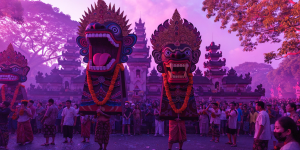
Key Events During Nyepi:
Ogoh-Ogoh Parade: The night before Nyepi, Bali comes alive with colorful processions of giant effigies made of bamboo and paper (Ogoh-Ogoh). These effigies represent evil spirits that are burned to drive away negative energy from the island.
Nyepi Day: A day of complete silence, where people reflect, meditate, and renew their spirits in the stillness of the day.
Why It Matters:
It is a spiritual cleansing for both the community and the land, where all distractions are eliminated.
The Ogoh-Ogoh parade symbolizes the island’s commitment to keeping evil spirits at bay.
2. Galungan – Celebrating the Victory of Good Over Evil
Galungan is one of Bali’s most significant religious holidays, celebrating the victory of good over evil. It is marked by a series of elaborate rituals, offerings, and processions. The festival commemorates the time when the gods defeated the evil forces, and the spirit of righteousness triumphed. The festival lasts for 10 days, culminating in Kuningan, where offerings are made to the gods to honor their victory.
Key Celebrations During Galungan:
Penjor: Tall bamboo poles adorned with offerings, symbolizing prosperity and the strength of the universe.
Sacred Offerings: Balians (traditional healers) prepare elaborate offerings of fruit, flowers, and rice, which are placed in temples and homes.
Sacred Ceremonies: Balinese Hindus conduct various ceremonies in their homes and temples, honoring the gods and asking for protection and blessings.
Why It Matters:
Galungan represents the triumph of good over evil and balance in the universe.
The festival is a time for family reunions, spiritual reflection, and honoring the divine.
3. Kuningan – A Day of Gratitude and Blessings
Kuningan follows the Galungan festival and marks the end of the 10-day celebration. It is a time to give thanks for the blessings received during Galungan and to offer gratitude to the ancestors and gods. During Kuningan, families perform rituals and offer special prayers at home and in temples. The festival focuses on spiritual renewal and connecting with the divine.
Traditions During Kuningan:
Offerings: The day is marked by offerings of food, fruits, flowers, and incense at temples and family altars.
Spiritual Ceremonies: The Balinese participate in prayers and rituals, seeking continued blessings and peace.
Why It Matters:
Kuningan is a thanksgiving festival, expressing gratitude for life’s blessings and seeking continued divine protection.
It marks the spiritual culmination of the Galungan festival, reinforcing the connection between the divine and the human world.
4. Saraswati Day – A Celebration of Knowledge and Wisdom
Saraswati Day honors Saraswati, the goddess of knowledge, wisdom, and arts. The festival is dedicated to the pursuit of learning, and on this day, Balinese Hindus express gratitude for the knowledge they have received. Books, musical instruments, and learning tools are placed in temples and homes for blessings.
What to Expect on Saraswati Day:
Offerings to Saraswati: People create offerings for the goddess at temples, schools, and homes, with special prayers for knowledge and wisdom.
Ceremonies at Schools and Libraries: Books and learning materials are blessed by the priest, as children and students pray for academic success.
Why It Matters:
Saraswati Day symbolizes the importance of education and learning in Balinese society.
It highlights the deep respect Balinese culture has for the pursuit of knowledge.
Table: Bali’s Major Festivals and Their Significance
Festival |
Date |
Significance |
Key Traditions |
| Nyepi | March (varies) | Day of silence and purification, Balinese New Year | Ogoh-Ogoh Parade, silent reflection |
| Galungan | Every 210 days (Saka) | Celebration of good vs. evil, honoring gods and ancestors | Penjor, offerings, spiritual ceremonies |
| Kuningan | 10 days after Galungan | Thanksgiving and blessings from gods and ancestors | Sacred offerings, prayers |
| Saraswati Day | 210 days after Galungan | Honor the goddess of wisdom, celebrate learning | Blessings for books, musical instruments |
YouTube Video:Bali’s Festivals and Celebrations
Watch this YouTube video to get an up-close look at the vibrant festivals and celebrations in Bali:
Bali’s Festivals – YouTube
Common Mistakes When Participating in Bali’s Festivals + Fixes
Mistake #1: Not Respecting Local Traditions and Etiquette
Bali’s festivals are steeped in spiritual practices, and visitors may unintentionally disrespect customs, such as improper attire or disrupting ceremonies.
Fix: Always dress modestly, covering shoulders and knees, and observe silence during religious ceremonies. Ask locals for guidance if you’re unsure about festival participation.
Mistake #2: Ignoring Local Offerings and Ceremonies
Some visitors might overlook the importance of the offerings placed at temples or homes during festivals.
Fix: Take the time to respect the offerings and observe local rituals, as these are vital aspects of Balinese spirituality and respect.
Information Gain Section
A lesser-known but important Balinese festival is the Tumpek Landep, which honors tools and weapons. Celebrated every 210 days, this festival is significant to Balinese craftsmen, who bless their tools for continued success and safety in their work. Tumpek Landep is less known to tourists but is deeply important in Balinese craftsmanship and spiritual beliefs.
Myth vs Reality: Bali’s Festivals
Myth: Bali’s festivals are just for tourists to enjoy.
Reality: Bali’s festivals are deeply rooted in spiritual and religious beliefs and are a crucial part of daily life for locals, connecting them to their gods, ancestors, and nature.
FAQ Section
When is the best time to visit Bali to experience its festivals?
The best time to visit depends on the festival, but Nyepi (March) and Galungan (varies) are two of the most significant festivals to witness.
Can tourists participate in Bali’s traditional festivals?
Yes, tourists can observe and sometimes participate in festivals, but it’s important to respect local customs and etiquette.
What is the role of the Ogoh-Ogoh parade during Nyepi?
The Ogoh-Ogoh parade symbolizes the banishment of evil spirits from the island, and the effigies are burned to purify the community.
What should I wear when attending a festival in Bali?
Modest clothing is essential, especially when visiting temples. Women should wear sarongs or long skirts, and men should avoid wearing shorts.
How do Balinese people prepare for Galungan and Kuningan?
Balinese families prepare elaborate offerings, penjor (decorated bamboo poles), and sacrifices for the gods, which are displayed in temples and homes.
Conclusion
Bali’s festivals and celebrations are an integral part of the island’s cultural and spiritual identity. From the silence of Nyepi to the celebrations of Galungan, each festival offers a unique glimpse into Bali’s deeply rooted spiritual beliefs and community-driven practices. Whether you’re a visitor or a local, these vibrant festivals allow you to experience Bali in a way that’s rich in culture, tradition, and connection.
Internal Linking Plan
Link to “Bali’s Spiritual Practices and Healing Traditions”
Link to “Top Bali Beach Clubs and Beachfront Dining”