Introduction
Bali, the Island of the Gods, offers a magical blend of culture, nature, and adventure, making it one of the most popular travel destinations in the world. However, as with any international trip, it’s important to be well-prepared to ensure a smooth and enjoyable experience. Whether you’re traveling for the first time or returning to explore Bali’s hidden gems, there are a few key things you should know before you pack your bags.
In this guide, we’ll cover everything from visa requirements and health precautions to cultural insights and travel essentials, so you can travel to Bali with confidence and avoid any surprises along the way. Essential Travel
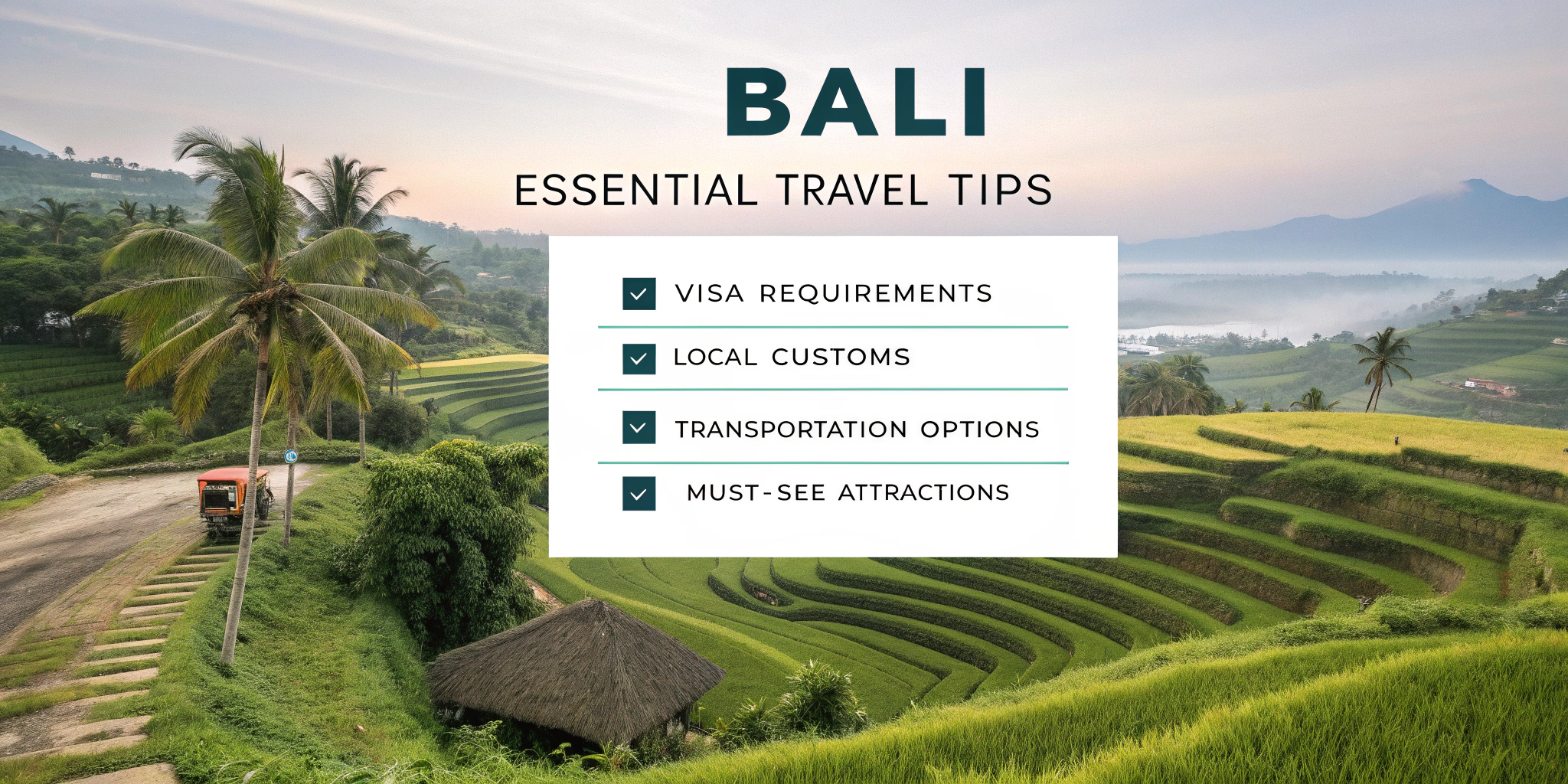
1. Visa Requirements for Bali
Before traveling to Bali, it’s important to understand the visa requirements based on your nationality. Many travelers can enter Bali with a Visa on Arrival (VoA), while others may need to apply for a visa in advance. Here’s what you need to know:
Visa Information for Bali:
Visa on Arrival (VoA): Most tourists from countries like the USA, Canada, Australia, and European Union countries can obtain a Visa on Arrival upon arrival at Ngurah Rai International Airport. This visa is typically valid for 30 days and can be extended once for another 30 days.
Visa-Free Entry: Citizens of certain countries may be eligible for visa-free entry for up to 30 days. Check your country’s specific entry requirements before traveling.
Tourist Visa: If you plan to stay for more than 60 days or if you want to work or study in Bali, you’ll need to apply for a tourist visa in advance.
Make sure to check the latest visa requirements on the Indonesian embassy website or consult your local travel agency to avoid any last-minute surprises.

2. Health and Vaccination Requirements for Bali
Before traveling to Bali, it’s important to consider your health and vaccination requirements. Bali is generally a safe destination for travelers, but there are some health precautions that will help you stay healthy during your trip.
Health Tips for Bali:
Vaccinations: It’s recommended that travelers to Bali be up to date on routine vaccinations, such as tetanus, diphtheria, and measles. Additionally, you may want to consider vaccines for Hepatitis A, Hepatitis B, typhoid, and Japanese encephalitis, depending on your travel plans and activities. Consult your doctor or a travel health clinic well in advance.
Malaria: While malaria is not widespread in most parts of Bali, you should take precautions if you plan to visit remote areas. Use mosquito repellent and consider taking antimalarial medication if recommended by your healthcare provider.
Water Safety: Tap water in Bali is not safe to drink. Always drink bottled water or use a reusable water bottle with a filter. Avoid drinking uncooked or unpeeled food that may have been washed in contaminated water.
Travel Insurance: It’s highly recommended to have travel insurance that covers medical emergencies, including coverage for hospital visits and evacuation in case of illness or injury.
3. Currency and Money Tips for Bali
The official currency in Bali is the Indonesian Rupiah (IDR). When traveling internationally to Bali, it’s important to understand how to manage your money to avoid unnecessary fees and ensure you have access to cash when needed.
Money Tips:
Currency Exchange: It’s best to exchange a small amount of money at your home country before traveling, but you can also find currency exchange booths at the airport or in tourist areas in Bali. Be sure to compare exchange rates and avoid exchanging large amounts at once to minimize fees.
ATMs: Bali has a large number of ATMs that dispense Indonesian Rupiah, but be aware that some machines charge high withdrawal fees. Visa, MasterCard, and ATMs accepting international cards are widely available.
Credit and Debit Cards: Credit cards are widely accepted in hotels, restaurants, and shops, especially in tourist areas. However, it’s a good idea to carry some cash for small purchases, taxis, or in more remote areas.
Tip Culture: Tipping is not compulsory in Bali, but it’s appreciated for good service. In restaurants, it’s common to leave a 10% tip if service isn’t included in the bill.
4. Local Culture and Etiquette in Bali
Understanding Bali’s cultural norms and etiquette is essential to having a respectful and enjoyable trip. Bali is a deeply spiritual island, and respecting local customs will help you connect with the locals and enrich your experience.
Cultural Etiquette:
Dress Modestly: When visiting temples or attending ceremonies, always dress modestly by wearing covering clothes (long pants or skirts, and long sleeves). You’ll often be required to wear a sarong and sash, which are provided at temples.
Greetings: The Balinese greet each other with a smile and a slight bow. It’s common to place your hands together in a prayer-like gesture to show respect.
Shoes Off Indoors: Always remove your shoes when entering someone’s home, temples, or certain businesses.
Respect for the Temple: Bali’s temples are sacred places, so be sure to show respect when visiting. Do not point your feet at sacred objects or sit with your back facing a statue.
5. What to Pack for Bali
Bali’s tropical climate requires a certain packing strategy. Here’s a list of essential items you’ll need for your trip to Bali:
Packing Essentials:
Light Clothing: Bali’s weather is hot and humid, so pack light, breathable clothing. Bring a hat, sunglasses, and sunscreen to protect yourself from the sun.
Comfortable Footwear: You’ll be walking a lot, especially if you plan to explore rice terraces and temples. Comfortable sandals, flip-flops, and closed-toe shoes for hiking are a must.
Swimwear: Bali is home to many stunning beaches and pools, so pack your swimwear for beach days and poolside relaxation.
Rain Gear: If you’re visiting during the rainy season (November to March), don’t forget an umbrella or light rain jacket.
Power Adapters: Bali uses the Type C and Type F power plugs, so bring the appropriate adapter if you plan to charge your electronic devices.
6. Travel Safety Tips for Bali
Bali is generally a safe destination, but there are some travel safety tips to keep in mind to ensure a smooth and enjoyable trip.
Travel Safety Tips:
Stay Hydrated: Bali’s hot climate can lead to dehydration, so drink plenty of water and avoid sunburn by staying in the shade during peak hours.
Keep Valuables Secure: Petty theft can happen in crowded areas, so always be mindful of your belongings and use hotel safes to store valuables.
Emergency Contacts: Make note of emergency numbers in Bali, such as the police (+62 361 244 100) and emergency medical services (112).
Table: Essential Tips for Traveling to Bali
Tip |
What You Need to Know |
| Visa Requirements | Check your visa requirements before traveling to Bali. |
| Health and Vaccinations | Get the recommended vaccinations and pack any medications you need. |
| Currency and Money | Use local ATMs, exchange currency, and manage your money wisely. |
| Cultural Etiquette | Dress modestly, remove shoes indoors, and respect local customs. |
| What to Pack | Light clothing, swimwear, comfortable footwear, and rain gear. |
| Travel Safety | Stay hydrated, keep your belongings safe, and be aware of your surroundings. |
YouTube Video: What to Know Before Traveling to Bali
Watch this YouTube video for helpful tips and advice on what to know before traveling to Bali:
Essential Bali Travel Tips – YouTube
Common Mistakes When Traveling to Bali + Fixes
Mistake #1: Not Checking Visa Requirements
Not understanding Bali’s visa policies can lead to complications at immigration.
Fix: Double-check the visa requirements for your country and ensure you have the correct documentation.
Mistake #2: Ignoring Health Precautions
Some travelers neglect essential vaccinations or health precautions, putting themselves at risk.
Fix: Schedule a visit to your healthcare provider well in advance to get the necessary vaccines and medications.
Information Gain Section
Did you know that Bali’s local communities play a major role in tourism? Many villages offer cultural experiences, including traditional cooking classes, handicraft workshops, and temple ceremonies, giving travelers a deeper connection to the island’s rich culture.
Myth vs Reality: Bali Travel Preparation
Myth: Bali is always a beach destination.
Reality: Bali offers much more than beaches—temples, volcanic mountains, and cultural experiences are just as integral to the island’s charm.
FAQ Section
What is the best time to visit Bali?
The dry season (April to October) is the best time to visit for sunny days and clear skies.
Is it safe to drive in Bali?
Driving in Bali can be tricky due to narrow roads and traffic. If you’re comfortable, rent a scooter or hire a private driver for safety.
Do I need travel insurance for Bali?
Yes, travel insurance is recommended to cover unexpected situations like illness or lost luggage.
What vaccinations do I need before traveling to Bali?
Consult your healthcare provider for recommendations, but common vaccines for Bali include Hepatitis A, Hepatitis B, and Typhoid.
How do I get from the airport to my accommodation?
Use reputable taxi services or ride-hailing apps like Grab to get to your accommodation safely and affordably.
Conclusion
With the right preparation, your Bali trip will be smooth, enjoyable, and stress-free. From understanding visa requirements and health precautions to respecting local customs and packing appropriately, these tips will help you avoid common pitfalls and have a memorable experience in Bali. Follow these guidelines, and get ready to immerse yourself in Bali’s beauty and culture!
Internal Linking Plan
Link to “Top Budget Travel Tips for Bali”
Link to “How to Create a Perfect Bali Travel Itinerary”