Introduction
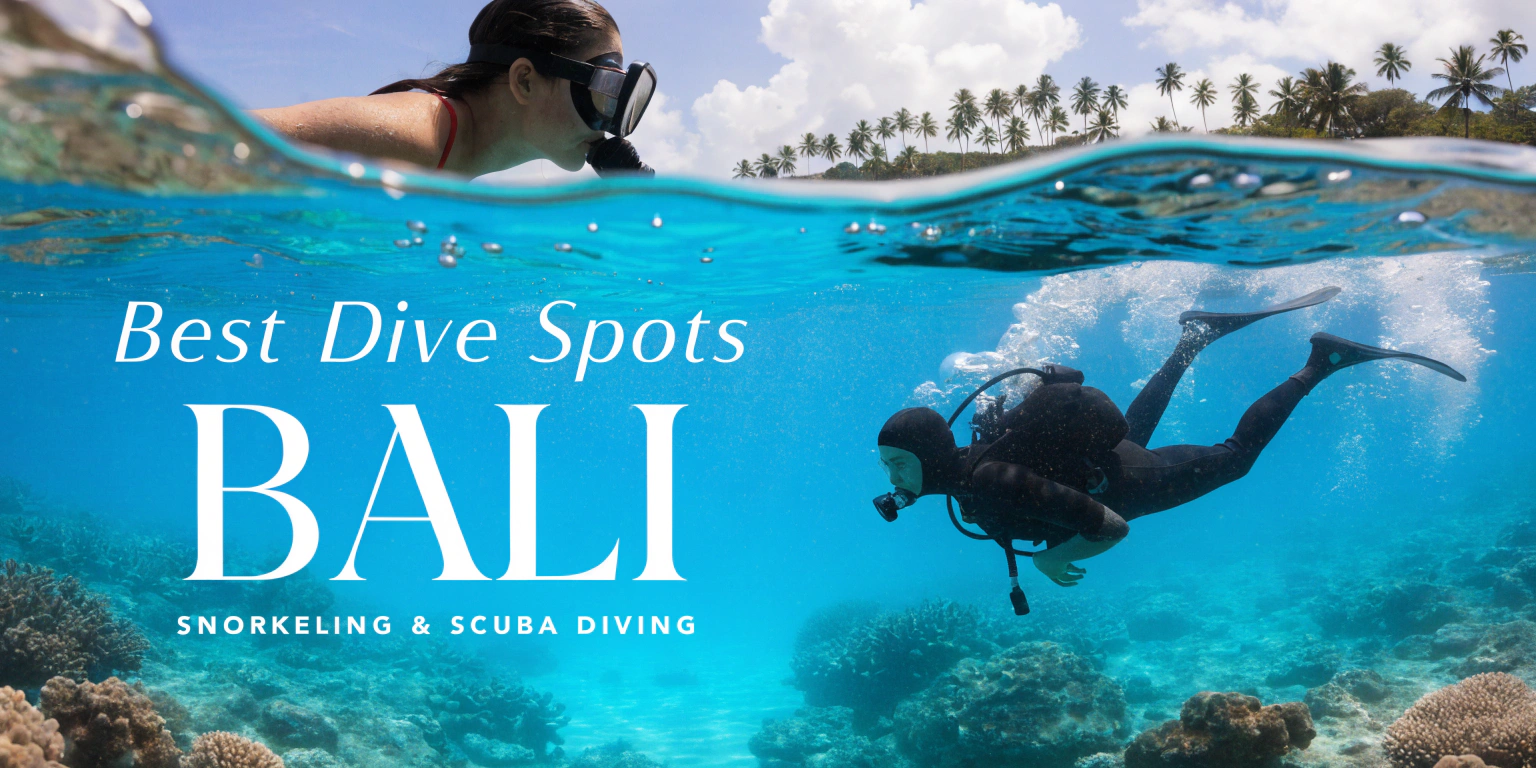
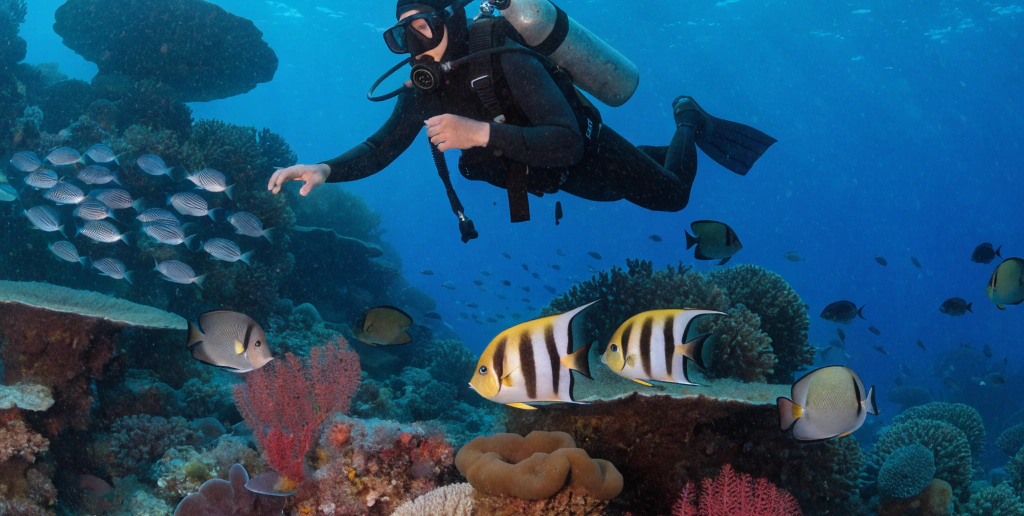
Bali is a diver’s paradise, with crystal-clear waters, vibrant coral reefs, and a variety of marine life that make it one of the best destinations in the world for snorkeling and scuba diving. Whether you’re a beginner or an experienced diver, Bali offers a range of diving experiences from shallow snorkel-friendly areas to deep-sea dives with tropical fish, manta rays, and sharks.
In this guide, we’ll highlight the best snorkeling and scuba diving spots in Bali, where to go, what to expect, and how to prepare for an unforgettable underwater adventure.
1. Menjangan Island: Bali’s Underwater Paradise
Menjangan Island is located off the coast of West Bali National Park and is one of the top dive sites in the region. Known for its crystal-clear water and rich marine life, Menjangan Island offers an incredible diving experience. Its coral reefs are home to tropical fish, sea turtles, and even the occasional shark.
Why Dive at Menjangan Island?
Pristine Reefs: Menjangan is famous for its immaculate coral reefs and vibrant marine ecosystems. It’s perfect for both beginner and advanced divers.
Abundant Marine Life: Expect to see an array of marine life, including manta rays, clownfish, moray eels, and turtles.
Shallow and Deep Dives: Menjangan offers both shallow reef dives and deeper dives, making it ideal for divers of all experience levels.
How to Get There:
Drive: Menjangan Island is located in West Bali National Park. It’s about a 3-hour drive from Ubud or Seminyak, followed by a short boat ride to the island.
Dive Operators: Many local dive shops in Bali offer day trips to Menjangan Island, including transportation, gear rental, and guided dives.
2. Nusa Penida: Diving with Manta Rays and Mola Mola
Nusa Penida, a small island just off the coast of Bali, is renowned for its incredible dive sites, including the famous Manta Point. This site is known for the opportunity to dive with the majestic manta rays, which can often be seen gliding through the waters. In addition, Nusa Penida is one of the few places in the world where you can dive with the Mola Mola (sunfish) during the season.
Why Dive at Nusa Penida?
Manta Rays: Manta Point is famous for frequent encounters with manta rays that feed on plankton in the area.
Mola Mola (Sunfish): Mola Mola are giant fish that visit Nusa Penida during the colder months, offering divers a once-in-a-lifetime opportunity to see these fascinating creatures.
Vibrant Marine Life: Beyond the large marine creatures, Nusa Penida offers colorful coral reefs, schools of tropical fish, and clear water that makes for an excellent diving experience.
How to Get There:
Fast Boat: From Sanur, you can take a fast boat to Nusa Penida, which takes about 30–45 minutes. Once on the island, dive operators can take you to the best dive spots.
Dive Tours: Many diving operators offer day trips to Nusa Penida, including multiple dive sites around the island.
3. Tulamben: Dive with the USAT Liberty Shipwreck
Located on Bali’s northeastern coast, Tulamben is famous for its shipwreck dive site, the USAT Liberty, which was sunk by Japanese torpedoes during World War II. This site is ideal for divers who want to explore both history and marine life. The wreck is covered in colorful coral and attracts an abundance of fish, including barracuda, sea turtles, and nudibranchs.
Why Dive at Tulamben?
Shipwreck Dive: The USAT Liberty shipwreck is one of Bali’s most famous dive sites, providing an exciting opportunity to explore the wreck and surrounding marine life.
Shallow Depths: The wreck is located at shallow depths (around 5 to 30 meters), making it perfect for both beginners and experienced divers.
Accessible: Tulamben is easily accessible from Ubud and Sanur, making it a popular dive destination for both day trips and multi-day stays.
How to Get There:
Drive: Tulamben is about a 2.5-hour drive from Ubud. You can rent a motorbike or hire a private driver to get to this dive site.
Dive Operators: Local dive shops offer trips to the USAT Liberty Shipwreck, including gear rental and diving guides.
4. Amed: Bali’s Hidden Gem for Diving and Snorkeling
Amed, located on the northeast coast of Bali, is often considered a hidden gem for both snorkeling and scuba diving. The area boasts beautiful coral reefs, stunning underwater landscapes, and a calm, peaceful atmosphere. Amed is perfect for those looking for a more relaxed dive experience in a less touristy area.
Why Dive at Amed?
Vibrant Reefs: Amed is known for its beautiful coral reefs, which are home to a wide variety of marine life, including clownfish, sea turtles, and moray eels.
Calm Waters: The calm, clear waters of Amed make it perfect for both snorkelers and divers.
Diverse Dive Sites: Amed offers a variety of dive sites, including Pyramid Reef, Ghost Bay, and the Japanese Shipwreck.
How to Get There:
Drive: Amed is about 2 hours from Ubud by car. It’s a scenic drive along Bali’s coastal road, offering beautiful views of the ocean and mountains.
Local Dive Shops: Amed is home to several dive shops that offer guided dives and equipment rental for both snorkelers and scuba divers.
5. Blue Lagoon: A Beginner-Friendly Dive Site
The Blue Lagoon in Padang Bai is one of Bali’s most beginner-friendly dive sites, featuring calm and shallow waters with excellent visibility. The site is known for its colorful coral and abundant marine life, including sea turtles, lionfish, and butterfly fish. It’s also a great spot for those looking to do a scuba diving certification.
Why Dive at Blue Lagoon?
Shallow and Clear Water: The shallow depths make it an ideal spot for beginner divers, offering clear visibility and a relaxed diving experience.
Abundant Marine Life: The Blue Lagoon is teeming with a variety of tropical fish, as well as sea turtles and other underwater creatures.
Calm Waters: The waters at Blue Lagoon are calm and protected, providing an excellent environment for those new to diving or looking for a more relaxed dive.
How to Get There:
Drive: Blue Lagoon is located about 1.5 hours from Ubud. You can rent a motorbike or hire a private driver to reach the site.
Diving Operators: Local dive shops offer guided tours, including introductory dives for beginners.
Table: Best Snorkeling and Scuba Diving Spots in Bali
Dive Spot |
Location |
Best Features |
Why Visit? |
| Menjangan Island | West Bali | Pristine coral reefs, rich marine life | Crystal-clear waters, perfect for both beginners and advanced divers |
| Nusa Penida | Off the coast of Bali | Manta rays, Mola Mola (sunfish), vibrant reefs | Manta rays, and the chance to dive with Mola Mola |
| Tulamben | Northeast Bali | USAT Liberty Shipwreck, diverse marine life | Iconic shipwreck dive, great for all experience levels |
| Amed | Northeast Bali | Beautiful reefs, calm waters, peaceful atmosphere | Hidden gem with vibrant reefs and less crowded |
| Blue Lagoon | Padang Bai | Shallow, calm waters, great for beginners | Beginner-friendly, clear water, and abundant marine life |
YouTube Video: Best Snorkeling and Scuba Diving Spots in Bali
Watch this YouTube video to see the best snorkeling and scuba diving spots in Bali in action:
Top Dive Spots in Bali – YouTube
Common Mistakes When Snorkeling and Scuba Diving in Bali + Fixes
Mistake #1: Not Checking Dive Conditions
Diving conditions can change based on the weather, water temperature, and currents.
Fix: Always check with your dive operator for up-to-date information on conditions before your dive.
Mistake #2: Not Bringing the Right Gear
Not having the proper gear for diving can lead to discomfort or safety issues.
Fix: Ensure you have well-fitting gear, or rent high-quality equipment from reputable dive shops in Bali.
Information Gain Section
Did you know that Bali is part of the Coral Triangle, which is home to over 500 species of coral and more than 3,000 species of fish? This rich marine biodiversity makes Bali one of the most important diving destinations in the world, particularly for underwater photographers and marine conservationists.
Myth vs Reality: Bali Scuba Diving
Myth: Bali’s dive sites are only for experienced divers.
Reality: Bali offers a variety of dive sites suitable for both beginners and advanced divers, making it a perfect destination for anyone looking to explore the underwater world.
FAQ Section
What is the best time to go scuba diving in Bali?
The dry season (April to October) is the best time for clear water and good diving conditions.
Do I need a certification to dive in Bali?
While many dive sites cater to certified divers, you can also take an introductory dive or a PADI certification course in Bali.
Can I go snorkeling in Bali without a guide?
Yes, there are plenty of snorkeling spots in Bali where you can explore on your own, but it’s often best to go with a guide to ensure your safety and the best experience.
Are there any safety tips for diving in Bali?
Always dive with a reputable operator, check weather conditions, and ensure you are in good health before diving.
What marine life can I see while diving in Bali?
Bali is home to manta rays, sea turtles, clownfish, moray eels, sharks, and a wide variety of other marine species.
Conclusion
Whether you’re an experienced diver or new to the underwater world, Bali offers some of the best scuba diving and snorkeling experiences in the world. From the Manta Rays of Nusa Penida to the USAT Liberty Shipwreck in Tulamben, there’s something for every adventurer in Bali’s crystal-clear waters. Prepare yourself for an unforgettable underwater journey and make sure to dive into Bali’s best marine experiences in 2025!
Internal Linking Plan
Link to Best Snorkeling and Scuba Diving Spots in Bali
Link to “Top Budget Travel Tips for Bali”